
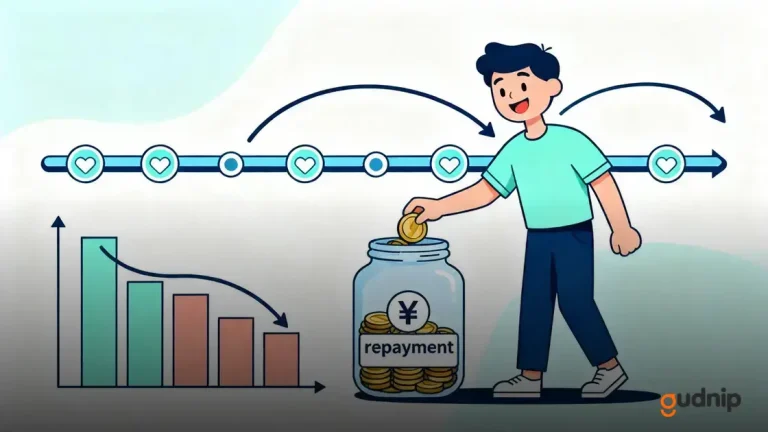
Managing a loan repayment schedule is crucial for financial health. It affects your monthly budget and overall credit score. Understanding how it works can empower you to make informed decisions about your debt.
Lenders use various factors to determine repayment terms, which can impact your financial planning significantly. Knowing the types of repayment plans available allows you to choose what suits you best. Unveiling the secrets of effective repayment strategies can lead to easier financial futures.
The path to financial freedom starts with a solid loan repayment plan. Keep reading to discover actionable tips and insights that will make your repayment journey smoother.
Understanding Loan Repayment Schedules
Loan repayment schedules are important tools that help borrowers understand when and how much they need to pay back. A repayment schedule outlines the terms of the loan, including the total loan amount, interest rate, and payment dates. Knowing these details is essential for planning your budget and avoiding missed payments.
There are different types of loan repayment schedules. Some require fixed monthly payments, while others may vary based on income or time. Understanding which type fits your budget is vital. This knowledge helps you make smart financial choices and keeps you on track with your payments.
Lastly, reviewing your loan repayment schedule regularly can help you stay informed about your progress. It also allows you to adjust your budget as needed. Staying aware of your repayment plan ensures you can manage your finances effectively and work towards a debt-free future.
Types of Loan Repayment Plans
There are several types of loan repayment plans that borrowers can choose from, depending on their financial situation. One common type is the fixed repayment plan. With this plan, borrowers pay the same amount each month until the loan is paid off. This makes it easier to budget month-to-month, as you’ll know exactly how much you need to set aside.
Another option is the graduated repayment plan. This plan starts with lower payments that gradually increase over time. It is ideal for those who expect their income to rise in the future. This type of plan allows for a smaller initial payment, which can help borrowers ease into their loan repayment.
Finally, there are income-driven repayment plans. These plans adjust monthly payments based on a borrower’s income and family size. They can be helpful for those with lower earnings, as they keep payments affordable. Understanding these different types of loan repayment plans can help borrowers make the best choice for their financial needs.
Factors Affecting Your Repayment Schedule
Many factors can affect your loan repayment schedule. One major factor is the interest rate on your loan. A higher interest rate can lead to larger monthly payments, making it important to shop around for the best rate before borrowing. Understanding how interest rates work can help you choose the right loan and stay within your budget.
Another important factor is your personal financial situation. Your income, expenses, and other financial obligations can greatly influence your repayment schedule. If your financial situation changes, such as losing a job or getting a raise, you may need to adjust your repayment plan. Being aware of your finances allows you to make informed decisions about your loan payments.
Your loan type also plays a key role in your repayment schedule. For example, federal loans may offer different types of repayment options compared to private loans. Knowing the specific terms of your loan can help you manage your repayment schedule effectively and avoid surprises along the way.
How to Create a Customized Repayment Schedule
Creating a customized repayment schedule starts with understanding your total loan amount and interest rate. Begin by calculating your monthly payment based on these factors. You can use online calculators to help you get the numbers right. Knowing how much you owe and what your payments will be is the first step to getting organized.
Next, evaluate your monthly budget. Look at your income and essential expenses to see how much you can afford to pay each month towards your loan. If possible, aim to pay more than the minimum payment to reduce the loan balance faster and save on interest. Tailor your schedule to fit your financial situation, so it feels manageable.
Finally, consider any changes that could affect your finances in the near future. If you anticipate a raise or a significant expense, plan your repayment schedule accordingly. Your schedule should be flexible enough to adapt to life’s ups and downs. Doing this will help you stay on track with your payments and avoid falling behind.
Common Mistakes in Loan Repayment

One common mistake borrowers make is ignoring their loan repayment schedule. Some people think that as long as they make a payment, everything is fine. However, missing or making late payments can lead to extra fees and damage your credit score. It’s important to keep track of when payments are due and stick to your schedule.
Another mistake is not taking advantage of prepayment opportunities. Some borrowers are not aware that they can make extra payments towards their loan. This can help reduce the total interest paid over time and shorten the repayment period. Always check with your lender to understand if you can pay more without penalties.
Finally, many people overlook their refinancing options. Life changes, like job promotions or improvements in credit scores, can lead to better loan terms. Failing to explore refinancing can mean missing out on lower interest rates and more favorable payment plans. Staying informed and being proactive can make a big difference.
Tips for Managing Your Loan Payments
Managing your loan payments starts with setting a budget. List all your income and necessary expenses to see how much you can afford to pay each month. This plan helps ensure that you can make your loan payments on time and avoid late fees. Stick to this budget to keep your finances in order.
Another important tip is to automate your payments. Many lenders allow you to set up automatic payments from your bank account. This helps you avoid missing due dates and ensures your payments are made on time. Just make sure you have enough money in your account to cover the payments to avoid overdraft fees.
Finally, keep an eye on your loan balance and payment progress. Regularly check your statements to see how much you’ve paid off and what you still owe. Staying updated can motivate you to pay off your loan more quickly and spot any errors that need correction. Being proactive about your payments leads to a better repayment experience.
The Importance of Staying On Track
Staying on track with your loan repayment is crucial for maintaining your financial health. When you consistently make payments on time, you build a positive credit history. This can lead to better loan terms in the future, making it easier and cheaper to borrow money when you need it.
Moreover, keeping up with your payments prevents the stress that comes from falling behind. Missing payments can lead to extra fees and penalties, which can add up quickly. By staying organized and committed to your repayment plan, you avoid surprises that could harm your financial standing.
Finally, remaining focused on repayment helps you reach your financial goals sooner. When you stay on track, you can pay off debts quicker and free up money for savings or other expenses. This sense of accomplishment motivates you to continue managing your finances wisely and can lead to a more secure and stable financial future.