

Investment time horizon explained clearly affects your financial strategy. It helps you determine risk tolerance and potential returns. Knowing your horizon guides investment decisions.
Investing isn’t just about the money. It’s also about timing and understanding your goals. Each time horizon presents unique opportunities and challenges.
In today’s fast-paced financial landscape, making informed choices is vital. Keep reading to discover how your time horizon shapes your investing success!
Understanding Investment Time Horizons
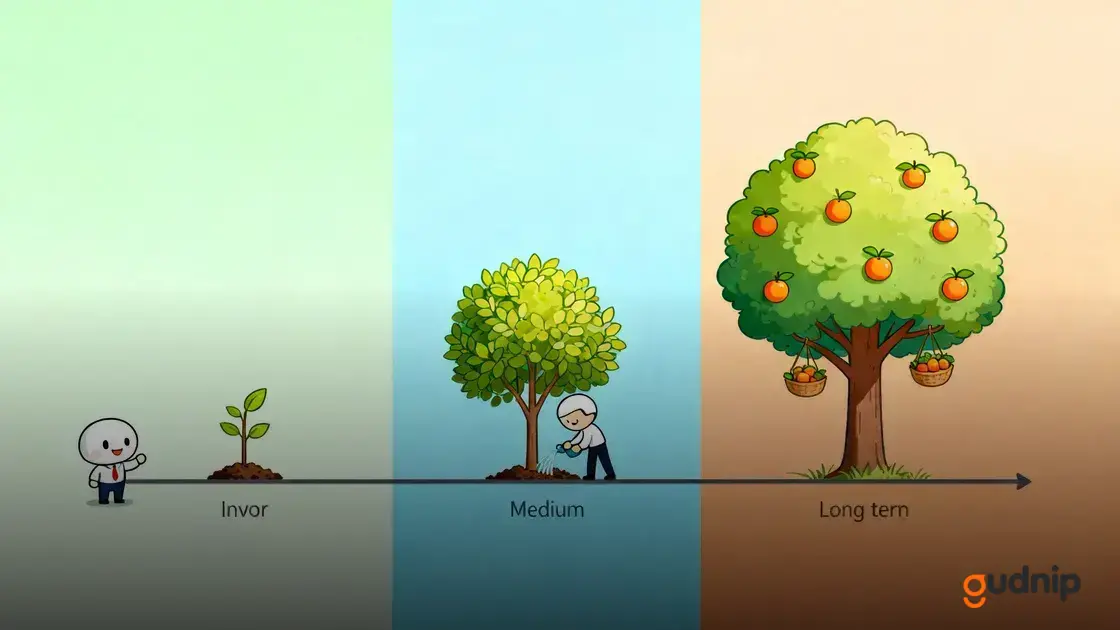
Understanding investment time horizons is crucial for anyone looking to grow their wealth. An investment time horizon is the period you plan to hold an investment before needing the money. It varies based on your financial goals, which could be short-term, medium-term, or long-term.
Your time horizon helps you decide how much risk you can take. For example, if you’re saving for a trip in the next year, you might choose safer investments. But if you’re investing for retirement in 20 years, you can take more risks for potential higher returns.
By knowing your investment horizon, you can make smarter choices. It guides you in selecting the right assets to meet your goals while managing risks effectively. Understanding this concept is a key step in successful investing.
Why Time Horizon Matters in Investing
Understanding why time horizon matters in investing can change how you approach your financial journey. Your time horizon tells you how long your money will be invested before you need to access it. Knowing this helps you choose investments that fit your goals and risk comfort level.
If your time horizon is short, you may prefer low-risk investments like savings accounts or bonds. These options keep your money safe as you prepare for near-future expenses, such as a car purchase. Conversely, if you have a long time horizon, you can explore stocks or mutual funds, which tend to offer higher returns over time, despite their ups and downs.
A clear time horizon also helps you stay focused during market fluctuations. By understanding your investment timeline, you resist the pressure to sell at the first sign of trouble. This ability to stick to your plan is essential for long-term success in investing.
Different Types of Investment Time Horizons
There are different types of investment time horizons, and understanding them is key to achieving your financial goals. Short-term horizons typically last from a few months to three years. During this period, investors usually focus on low-risk options, such as savings accounts or bonds, to keep their money safe while still earning some interest.
Medium-term horizons span from three to ten years. Investors might choose a mix of conservative and moderate-risk investments, like mutual funds or dividend-paying stocks. This approach allows them to balance potential returns with the need for safety as they get closer to needing their money.
Long-term horizons last longer than ten years. Investors can take on more risk with stocks, real estate, or other growth-focused assets. Although these investments may fluctuate, they have the opportunity to provide much higher returns over time, helping investors build wealth for retirement or other significant life events.
Setting Your Investment Time Horizon
Setting your investment time horizon starts with understanding your financial goals. Think about when you will need the money. Are you saving for a short-term goal like a vacation, or a long-term goal like retirement? Knowing your timeline is the first step in making smart investment choices.
Once you have your goals in mind, you can decide which investments align with your time horizon. If your goal is near, focus on safer options that protect your money. If you have more time, you can choose investments with higher potential returns, such as stocks or real estate, even if they come with more risk.
Finally, remember that life can change, so it’s okay to adjust your time horizon as needed. Regularly review your goals and your investments. By staying flexible, you can ensure your investment strategy works for you over time.
Factors Influencing Your Time Horizon
Several factors influence your investment time horizon, starting with your personal financial goals. Understanding what you hope to achieve can help determine how soon you will need your money. For example, if you’re saving for a wedding in two years, your time horizon will be much shorter than if you’re investing for retirement 30 years away.
Your age also plays a big role. Younger investors often have longer time horizons and can take on more risk since they have years to ride out market ups and downs. On the other hand, older investors might focus on preserving their wealth for retirement, which may lead them to choose more conservative investments.
Other factors include your risk tolerance, income stability, and lifestyle goals. If you’re comfortable with the ups and downs of the market, you may choose a longer horizon. But if you need to access your funds soon, it’s essential to have a clear understanding of your overall financial picture.
Common Mistakes with Time Horizons
One common mistake with time horizons is not aligning investments with your goals. Many people choose high-risk options without considering when they will need their money. This can lead to losses if the market drops just before they need to access their funds, resulting in financial stress.
Another mistake is ignoring changes in personal circumstances. Life events such as getting married, having children, or changing jobs can affect your financial situation and goals. Failing to adjust your time horizon based on these changes can result in unsuitable investment choices.
Finally, some investors underestimate the importance of reviewing their time horizons regularly. As life evolves, so do your needs and goals. Not revisiting your time horizon can leave you unaware of whether your investments are still in the right place to help you reach those goals.
Strategies for Short-Term Investments
When looking for strategies for short-term investments, consider focusing on low-risk options. Savings accounts, money market accounts, and certificates of deposit (CDs) are great choices to keep your money safe while earning a little interest. These options are typically insured, giving you peace of mind as you save for near-future goals.
Another effective strategy is investing in short-term bond funds. These funds invest in bonds with shorter maturities, which tend to be less sensitive to interest rate changes. This offers the potential for better returns than a traditional savings account while still maintaining a relatively low level of risk.
Lastly, consider using a robo-advisor or an investment app designed for short-term investing. These platforms can help you automatically balance your investment portfolio based on your goals and risk tolerance. They provide a user-friendly approach to managing your investments without needing extensive financial knowledge.
Long-Term Investment Strategies
Long-term investment strategies focus on building wealth over many years. One effective strategy is to invest in stocks or stock mutual funds. These options have the potential for higher returns compared to other investments, especially over a long period. Historically, the stock market tends to grow, making it a great choice for those who can wait and ride out market fluctuations.
Diversification is another key aspect of long-term investing. This means spreading your investments across different asset classes, like stocks, bonds, and real estate. By not putting all your eggs in one basket, you reduce the risk of losing money. If one investment performs poorly, others may help balance out your portfolio.
Finally, consider taking advantage of tax-advantaged accounts like IRAs or 401(k)s. Contributions to these accounts often grow tax-free or tax-deferred, which can significantly boost your investment returns over time. Utilizing these accounts can help you maximize your savings while preparing for retirement or long-term goals.
How to Adjust Your Time Horizon
Adjusting your time horizon begins with regularly assessing your financial goals. Life events like a new job, a growing family, or changes in health can affect how much time you have before you need your money. Take the time to sit down and think about how these changes impact your savings goals, whether they’re short-term or long-term.
Once you’ve identified any changes in your goals, review your investments to make sure they match your new time horizon. If your goals are closer now, consider shifting some money into safer investments like bonds or savings accounts. Conversely, if you have more time, you might increase investments in stocks or other growth-oriented assets that can potentially yield higher returns.
Regularly reviewing and adjusting your time horizon is essential for effective investing. Set reminders to check in on your goals and investments at least once a year. By keeping your investment strategy aligned with your current situation, you can stay on track to meet your financial targets.