
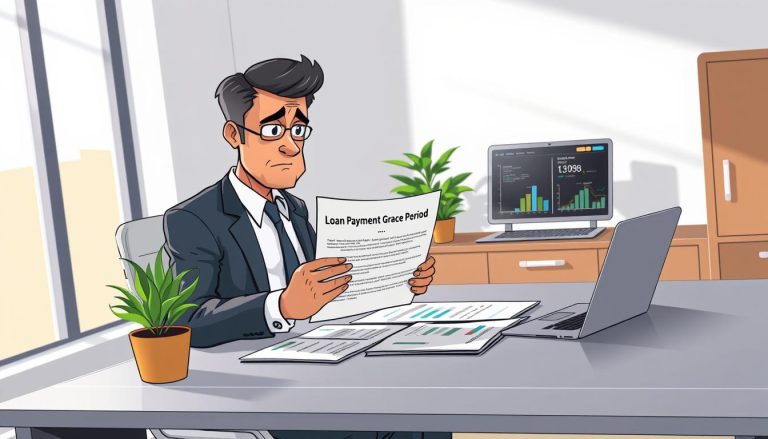
A borrower sees a due date and asks if the loan payment grace period delays a fee. The answer can affect household cash flow, especially when money arrives close to a scheduled payment. The loan’s own terms set the rules.
A few extra days may help, but the label does not promise that every consequence will wait. Student-loan materials may use “grace period” for a pause before repayment begins after school. That is different from extra time after a monthly due date.
Knowing which meaning applies helps a borrower plan and avoid relying on the wrong deadline. The contract’s specific terms, not the label alone, determine what happens. The details begin with how the post-due-date window works.
What Does a Loan Payment Grace Period Mean?
A lender usually allows a short window after the due date before it assesses a late fee. The due date stays the scheduled deadline unless the lender changes it. A grace period does not automatically stop other account effects.
How the post-due-date window works
The loan terms may give the borrower several days to make a payment before a fee applies. That later fee date does not replace the due date. If the due date is the 10th, the account may still show the payment as due on the 10th.
Delinquency is a payment status in which an amount due has not been paid by the deadline set by the account terms. A payment made during a grace period can still be late under those terms. The window may only delay a particular fee.
What it may protect, and what it does not
A grace period commonly delays assessment of a late fee, but it does not usually change the scheduled due date. Interest accrual may continue while a balance remains unpaid. The amount owed can grow even when the lender has not yet charged a late fee.
The terms may also affect how the lender treats a late payment for other purposes. A grace period does not guarantee that the account will avoid every late-payment consequence. Borrowers should not treat the last fee-free day as a new due date.
For example, a borrower who pays after the due date but before a fee applies may avoid that fee. The payment can still be late under the account terms. The precise protection depends on the loan terms, which vary by loan type and lead to different details to check.
How Do Grace Periods Differ by Loan Type?
A mortgage borrower may check a servicing account for a late-fee window, while a student-loan borrower may see “grace period” used for a different event. Each borrower needs to confirm what the term means in that specific account. The timing and fee language can vary.
A mortgage grace period commonly gives about 15 days before a late fee may be assessed. The agreement and applicable requirements affect the exact period and fee. Other loan documents may use different wording or set no post-due-date window.
| Loan type | Where to verify timing and fee terms | Point to check |
|---|---|---|
| Mortgage | Mortgage note or servicing account | Stated late-fee window; commonly about 15 days |
| Auto loan | Retail installment contract or account agreement | When the late fee is triggered |
| Personal loan | Personal-loan agreement | Whether a post-due-date window is stated |
| Student loan | Student-loan agreement or servicer account | Whether “grace period” means a post-school pause or a late-payment window |
Auto loan payment terms may state a fee trigger without calling it a grace period. A personal loan agreement may spell out a window or move straight to its fee terms. Terminology varies, so the same phrase does not always carry the same meaning.
A student loan grace period often refers to a post-school pause before repayment starts. That pause is not automatically extra time for a monthly payment once repayment is underway. Borrowers should confirm the terms for their own account before relying on a date or label.
Where Can Borrowers Find Their Actual Grace Period Terms?
Borrowers should start with the signed loan agreement and the account’s current payment schedule. Those records show the due date and the terms that govern a fee. A loan servicer’s account notices can add details about how payments are handled.
Check the agreement and account notices
Borrowers can use a short checklist to compare the contract with current account information. The details matter: a date a payment posts may not be the date the servicer counts it as received.
- Read the signed loan agreement or note for payment and timing rules.
- Check the account’s payment schedule for the current due date and amount.
- Find the late-fee clause and note when the fee may apply.
- Review how the loan servicer defines payment receipt or processing.
- Ask the servicer for written confirmation if records conflict or remain unclear.
Confirm how the servicer counts days and payments
Ask whether the payment must arrive by a certain time or through a specific channel. A payment sent on the due date may not count as received that day. The account terms and processing rules help explain the difference.
A prior month’s experience does not prove that the current deadline is the same. The payment method, account status, or current notice may differ. Borrowers should use current terms rather than assume the last payment posted in time.
If the account notice and agreement seem to conflict, the servicer can explain how it applies them. A written answer can help clear up a date or fee question. Borrowers should save the confirmed terms with their payment records, then act quickly if a payment is at risk or overdue.
What Should Borrowers Do If They Cannot Pay on Time?
A borrower who knows a scheduled payment will not arrive on time should contact the loan servicer promptly. Early contact gives the borrower a chance to ask about options before the due date. A payment arrangement or hardship assistance is not automatic.
Act before the due date when possible
Before the due date, the borrower can explain when payment may be possible and ask what choices the account allows. The servicer may describe options, but the borrower should ask for the terms in writing. A spoken offer alone may not show the amount, timing, or effect on the account.
Once a payment is overdue, the borrower should respond rather than wait for another notice. A past-due balance can lead to fees or other account effects under the loan terms. A grace period does not guarantee protection from credit reporting.
Respond promptly if the payment is already late
The borrower can use these steps whether a payment is at risk or has become overdue:
- Contact the loan servicer using the official details on the account.
- Explain the expected payment date and ask what options are available.
- Ask in writing about fees, interest, credit reporting, and any payment arrangement.
- Make any payment the borrower can afford, without assuming it prevents every consequence.
- Keep the servicer’s confirmations and check the account afterward.
Creditors generally may report a missed payment once it is at least 30 days past due. Reporting practices and applicable requirements vary. The borrower should ask how the creditor handles the specific account and should not assume a grace period delays reporting.
Hardship assistance may change payment timing or other terms, but the borrower needs to confirm the offer. A payment arrangement should state the amount, dates, and any effect on the account. The borrower can then compare the written terms with what the servicer said.
If the borrower cannot pay the full amount, making an affordable payment may reduce the balance, but it may not prevent a fee or other result. The servicer can explain how it will apply the payment. The borrower should keep a written record of the response and verify the account status afterward.
Conclusion
Borrowers should treat the listed due date as the deadline unless the loan servicer confirms a different arrangement. A grace period may delay a late fee, but it usually does not change the due date or stop interest from accruing. The account agreement controls the result.
The key is to know which date applies and what happens if payment arrives later. A borrower who checks the account before a payment is due has more time to ask questions and plan. A confirmed payment arrangement can change the schedule, but an assumed one cannot.
Today, the borrower can check the next due date and late-fee clause in the account. If any payment date or consequence is unclear, the borrower should review the terms and contact the servicer promptly.