
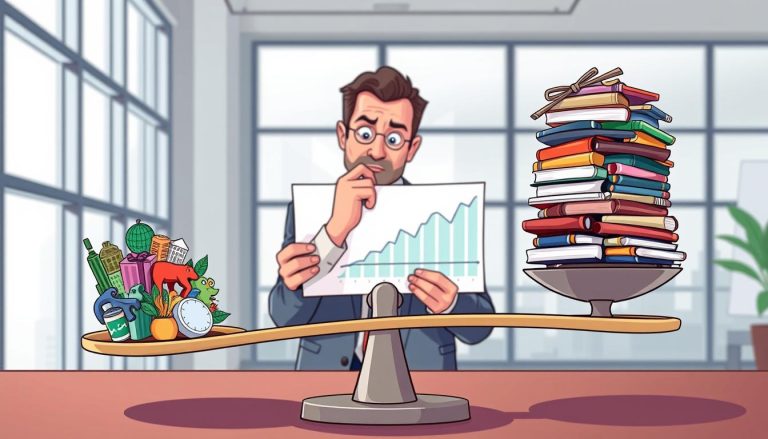
Every investor dreams of steady growth. But, markets don’t always go straight. Over time, prices can change, making your mix of investments different from your goals.
This change is called portfolio drift. It can happen to anyone, even the most careful savers.
When your mix of assets changes, so does your risk level. If you don’t notice these changes, you might end up with more risk than you want. That’s why managing your portfolio well is key to success.
To stay on track, you need a good plan. Regularly checking your accounts helps keep your money safe. Small, steady actions today help your investments match your future plans.
Understanding the Mechanics of Portfolio Drift
Every investor faces the fact that their portfolio changes over time. This change might seem small, but it’s a big part of the financial world. Spotting these changes early keeps your investment plan on track.
Defining Asset Allocation and Target Weights
Asset allocation is key to a good investment plan. It’s about dividing your money among different types, like stocks and bonds. You pick a mix that fits your risk level and goals.
These target weights guide your financial path. When you start, you pick a mix to balance risk and growth. Keeping this balance is crucial to stay within your comfort zone.
How Market Volatility Causes Drift
Market volatility is the main reason for portfolio drift. Different assets perform differently, changing their values. For instance, if stocks grow fast, they might take up more of your portfolio than you planned.
On the other hand, bonds or cash might not grow or might even go down. This means your actual portfolio doesn’t match your original plan. Without action, your portfolio will naturally move away from its intended shape.
| Asset Class | Typical Behavior | Drift Potential |
|---|---|---|
| Equities | High Growth | High |
| Fixed Income | Stable Income | Low |
| Cash Equivalents | Capital Preservation | Very Low |
The Psychological Impact of Ignoring Portfolio Changes
Many investors ignore these changes because rebalancing is hard. It’s easier to let a winning asset keep growing than to adjust it. This can make you feel too comfortable.
By not making the needed changes, you might take on too much risk. Recognizing drift as normal helps you make better choices. Regular checks keep your money working towards your goals.
The Hidden Risks of Unmanaged Portfolios
Many investors don’t see the dangers in unmanaged portfolios. Assets without regular checks can change a lot. This can harm long-term success.
Increased Exposure to Unintended Risk
Market changes make assets grow at different rates. If not watched, a portfolio can focus too much on one risky asset. This can make the investor face more risk than they wanted.
A portfolio meant to be safe might become risky in a bull market. This can cause big losses when the market drops. Keeping the balance is key to managing risk.
The Erosion of Long-Term Investment Goals
Every investor has a plan for the future. Whether it’s for retirement or a big buy, these plans need a careful approach. Without checking, the portfolio might not grow as needed.
Regular checks keep the plan on track. Without them, the portfolio might not do well when it matters most. This can make investors delay their plans or get lower returns than hoped.
Tax Implications of Allowing Drift to Persist
Ignoring a portfolio for too long can lead to tax problems. Selling a lot to rebalance can mean big tax bills. These taxes can cut into the investor’s hard-earned returns.
Managing the portfolio early can help avoid big tax hits. This way, investors can keep their financial goals on track. Waiting too long limits the ways to avoid taxes.
Establishing Your Baseline Investment Strategy
A good plan is like a compass in uncertain times. Without a clear investment strategy, investors might react too much to market changes. Starting with a plan helps keep focus on long-term goals.
Determining Your Risk Tolerance Profile
Knowing your risk tolerance is key to a good portfolio. It’s about how you feel about market ups and downs and how much you can lose. Be honest about how much risk you can handle before wanting to sell.
Some like to keep their money safe, while others want to grow it more. Choosing what feels right helps avoid selling in bad times. This choice helps keep your plan on track for years.
Setting Realistic Asset Class Targets
After knowing your risk level, pick the right asset class mix. Spread your money across stocks, bonds, and cash. Setting targets for each helps measure success.
These targets should match your goals, like retirement or big purchases. Having clear targets helps keep your portfolio balanced. This balance is key to staying on track.
| Risk Profile | Stock Allocation | Bond Allocation | Cash/Other |
|---|---|---|---|
| Conservative | 20% | 60% | 20% |
| Moderate | 50% | 40% | 10% |
| Aggressive | 80% | 15% | 5% |
Documenting Your Investment Policy Statement
The last step is writing your investment policy statement. This document outlines your goals, limits, and how to rebalance. It guides every big financial choice.
Having a written policy helps stay disciplined and accountable. It reminds you of your strategy when markets change. It turns vague goals into a clear plan for your financial journey.
Step One: Assessing Your Current Portfolio Status
Checking your portfolio is the first step to a good investment plan. You can’t know if your asset allocation fits your goals without looking at your investments. This step needs patience and careful checking to get the right info.
Gathering Account Statements and Performance Data
Start by getting the latest statements from all your accounts. Use places like Fidelity, Charles Schwab, or Vanguard. You need the latest balance for each account. Putting all this together helps you see your total wealth.
Make sure you have statements for both regular and retirement accounts. Having all your investments listed is key for a true check. If you track things by hand, keep your latest reports ready to check values.
Calculating Current Asset Percentages
After getting your total portfolio value, sort each investment by asset class. These include domestic stocks, international equities, bonds, and cash. Find each category’s percentage by dividing its value by your total portfolio value.
For example, if your total portfolio is $100,000 and your domestic stocks are $60,000, you have 60% in that category. Do this for every asset class to see if your portfolio is off track.
Comparing Actual Weights Against Target Weights
After finding your current percentages, compare them to your original asset allocation plan. This shows where your portfolio has strayed from your goals. A simple table can make these differences clear.
| Asset Class | Target Weight | Actual Weight | Difference |
|---|---|---|---|
| Domestic Stocks | 60% | 68% | +8% |
| International Stocks | 20% | 17% | -3% |
| Bonds | 20% | 15% | -5% |
Seeing these gaps helps you know if your portfolio needs work. Watching these changes often keeps you in charge of your investments. This simple check is the best way to avoid unwanted risks.
Step Two: Identifying Significant Thresholds for Action
Setting clear rules for your portfolio makes investing easier. When the market changes, a plan keeps your risk tolerance on track. Without rules, investors might make choices based on feelings, not facts.
Defining Your Rebalancing Tolerance Bands
Tolerance bands protect your investment mix. They show how far an asset can stray before you need to act. This way, small market changes won’t lead to big trades.
The Five Percent Rule for Portfolio Adjustments
The five percent rule helps keep your investments balanced. It says to adjust if an asset is off by more than five percent. This rule has many benefits:
- Reduces transaction costs by avoiding small trades.
- Maintains discipline by not needing to guess the market.
- Controls risk by keeping no single asset too big.
Time-Based Versus Threshold-Based Monitoring
Deciding between time-based and threshold-based monitoring depends on you. Time-based means checking your portfolio at set times, like every quarter. It’s easy but might miss big market changes.
Threshold-based monitoring looks at how your assets are doing. It only checks when they stray too far. Many investors like a mix of both for the best balance.
Step Three: Executing Strategic Rebalancing Trades
Rebalancing is key to a good investment strategy. It keeps your risk level right. When your investments stray, you need to fix them. This step is about keeping your portfolio on track with your goals.
Selling High and Buying Low Effectively
To balance, sell high and buy low. This is basic investing. It means selling assets that did well and buying those that didn’t.
By doing this, you make sure your portfolio is spread out right. It keeps your risk level where you want it.
Utilizing New Contributions to Correct Drift
You don’t always have to sell to rebalance. New money can help. Use it to buy into areas that need more.
This method is smart because it doesn’t sell what you already have. It keeps your investments growing. Plus, it saves you from taxes from selling too soon.
Managing Transaction Costs and Slippage
Be careful with transaction costs. Too many trades can hurt your money. Look for cheap ways to trade, like no-commission funds.
Slippage is another thing to watch out for. It’s when the trade price is different from what you expected. Use limit orders to control the price better.
Step Four: Optimizing for Tax Efficiency During Rebalancing
Keeping your portfolio in balance is key. But, doing it without thinking about taxes is not smart. Planning ahead can help you keep more money.
Leveraging Tax-Advantaged Accounts for Rebalancing
Using tax-advantaged accounts like 401(k)s or IRAs is smart. These accounts don’t make you pay taxes right away. So, you can change your investments without worrying about taxes.
If you have different accounts, rebalance in the tax-advantaged ones first. This helps you avoid taxes in other accounts. It keeps your money growing better.
Understanding Capital Gains and Tax-Loss Harvesting
When you rebalance in a taxable account, you might get capital gains. These taxes happen when you sell something for more than you bought it for. To lower these taxes, use tax-loss harvesting.
This method lets you sell losing investments to offset gains. It can greatly reduce your taxes. Strategic planning helps keep your portfolio balanced and your money in your pocket.
Avoiding Wash Sale Rules During Portfolio Adjustments
But, remember the wash sale rules. The IRS won’t let you claim a loss if you buy the same thing too soon. Breaking these rules can cause big tax problems.
To avoid this, swap sold assets for similar but different ones. For example, switch one index fund for another. This way, you keep your rebalancing on track and follow the rules.
Tools and Technologies for Monitoring Portfolio Drift
Technology has changed how we watch our money. Now, we can keep our money right where we want it easily. These tools help us make smart choices about our investment portfolio.
Using Automated Portfolio Tracking Software
Today, many people use automated tracking software. It connects to our accounts and updates us on our money’s performance. This way, we always know where our money is, without having to do it ourselves.
Leveraging Brokerage Platform Alerts
Many banks and brokerages have brokerage alerts now. We can set alerts to tell us when our money moves from its planned spot. This helps us fix things before they get worse.
Manual Tracking with Spreadsheet Templates
Some like to track their money by hand. Using special spreadsheets lets us control how we see our data. It takes more work, but some find it helps them understand their investment portfolio better.
| Method | Effort Level | Accuracy | Best For |
|---|---|---|---|
| Automated Software | Low | High | Busy Professionals |
| Brokerage Alerts | Medium | Medium | Active Traders |
| Manual Spreadsheets | High | Very High | Detail-Oriented Investors |
Common Pitfalls to Avoid When Managing Drift
Managing your investments can be tricky. It’s easy to make mistakes that hurt your plans. It’s key to keep your investments in line with your goals. But, acting too fast or without a plan can backfire.
Usually, the best results come from a careful, steady approach. This is better than constantly changing your investments.
Over-Rebalancing and Excessive Trading
Trading too much is a big mistake. Over-rebalancing can lead to high costs and taxes. These costs can lower your returns.
It’s better to wait until your assets reach a certain point. This way, you avoid unnecessary costs.
- Increased brokerage fees from frequent trades.
- Higher short-term capital gains taxes.
- Increased time commitment for portfolio management.
Chasing Market Trends Instead of Targets
Some investors change their investments based on market trends. This can be due to fear of missing out or reacting to market volatility. By doing this, you risk your long-term financial security.
Sticking to your plan helps you stay true to your risk level. This way, you avoid letting emotions control your investments. You stay on track to meet your goals.
Ignoring the Impact of Dividend Reinvestment
Many investors don’t notice how dividend reinvestment changes their portfolio. When dividends are reinvested, they can make some parts of your portfolio grow too fast. This can lead to portfolio drift without you realizing it.
| Action | Risk Level | Impact on Strategy |
|---|---|---|
| Frequent Trading | High | Erodes capital through fees |
| Chasing Trends | High | Increases unintended risk |
| Ignoring Dividends | Medium | Causes silent allocation drift |
To manage this, check your reinvestment settings often. Make sure dividends go to underweighted assets. This helps keep your portfolio balanced without selling what you have. This way, you stay on track with your long-term goals.
Conclusion
Investing well is not just about picking the right things. It’s also about keeping your investments in line with your long-term goals.
Markets change every day. Staying alert helps protect your money from risks. This way, you keep your investment plan on track.
Good portfolio management links your savings to your future goals. Regularly checking your investments helps you control risks. This stops small issues from becoming big problems for your retirement or other big goals.
Start managing your accounts today by setting review dates. Regular checks are key to growing your money safely. Your hard work will help you handle the financial markets with confidence.