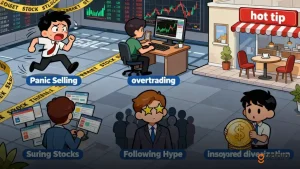

Building wealth is not just about picking the right assets. It starts with knowing your investment risk tolerance. This is the foundation for any successful long-term plan. It helps match your portfolio with your personal traits and life stage.
Many think their comfort level is fixed. But it changes as life does. As your life changes, so does your ability to handle market ups and downs. Knowing this helps keep your strategy in line with your financial goals.
By seeing how you react to market changes, you understand your path better. This helps avoid making decisions based on emotions during tough times. Mastering this balance lets you stick to your plan, even when the economy gets complex.
Understanding the Fundamentals of Investment Risk Tolerance
Starting a successful portfolio means knowing how you handle money. Many jump into the stock market without thinking about their comfort levels. Learning about investment risk tolerance helps you make a plan that works for you.
Defining Risk Capacity Versus Risk Appetite
It’s key to know what you can afford to lose and what you’re okay with losing. These ideas are the foundation of your financial plans.
- Risk Capacity is how much money you can lose. It depends on your age, income, and when you plan to retire.
- Risk Appetite is how much risk you’re okay with. It’s about your personality and how you feel when money changes.
Having a big bank account doesn’t mean you’re okay with big risks. Your portfolio should match your comfort level, not just your money potential.
Why Emotional Resilience Matters in Market Volatility
Financial markets don’t always go up. Market volatility is common and tests even the best investors.
Being emotionally strong helps during these times. It stops you from making quick, bad decisions. Knowing how you react to market volatility helps you stay focused.
Building this strength means looking at how you’ve handled money before. By understanding your emotional triggers, you can create a stable investment plan that can handle the economy’s ups and downs.
Step One: Evaluating Your Financial Time Horizon
Time is very important for investors. It’s often forgotten. Before picking stocks or bonds, you need to know how long you can keep your money in. This time affects your investment strategy and financial goals.
The Impact of Age on Investment Strategy
Young people have more time to invest. They can handle market ups and downs. They aim for big growth to build wealth.
Those close to retirement focus on keeping their money safe. They don’t want to risk losing what they have. A safe investment strategy is key to having money when they retire.
Aligning Goals with Short-Term and Long-Term Needs
It’s important to balance short-term and long-term money needs. Short-term financial goals like buying a home need stable money. You don’t want to lose it.
Long-term goals like retirement can handle riskier investments. You don’t need the money for a long time. The table below shows how time affects what you choose to invest in.
| Time Horizon | Primary Goal | Risk Tolerance | Strategy Focus |
|---|---|---|---|
| Short-Term (1-3 years) | Capital Safety | Low | Cash and Equivalents |
| Medium-Term (4-10 years) | Balanced Growth | Moderate | Diversified Portfolios |
| Long-Term (10+ years) | Wealth Accumulation | High | Equities and Growth |
Step Two: Assessing Your Current Financial Stability
Building a strong financial base is key to knowing your risk capacity. Before putting money into risky markets, make sure your money is safe and steady.
Having solid finances helps you face life’s surprises. When you’re financially stable, you can plan for the future, not just for today.
Calculating Your Emergency Fund Requirements
An emergency fund protects you from market ups and downs. Keep three to six months of living costs in a liquid account. This way, you won’t have to sell investments when prices are low.
Having money set aside means you’re in charge of your investments. You won’t have to sell things at a bad time just to pay for emergencies.
Analyzing Debt-to-Income Ratios Before Investing
A good debt-to-income ratio shows you’re financially healthy. It’s how much of your income goes to debt versus your total earnings.
Those with less debt can take bigger risks with their investments. Managing your debt well lets you focus on growing your wealth without worrying about high payments.
Keeping a balanced ratio gives you peace of mind. When your debts are manageable, you can handle market changes better.
Step Three: Identifying Your Personal Investment Goals
Setting clear financial goals helps you choose the right investment risk tolerance for you. When you know what you want, you can make a plan that grows your money safely. This turns dreams into a real plan for the future.
Prioritizing Retirement Planning and Wealth Preservation
For many, retirement planning is the main reason to invest for the long term. This goal takes years, so you can take more risks for bigger rewards. But as retirement gets closer, you need to focus on keeping your money safe.
Staying disciplined helps keep your savings growing while beating inflation. Strong portfolio management means growing your money fast early on and being careful later.
Planning for Major Life Milestones
Investors also need to plan for big life events like buying a home or funding education. These financial goals need a quick plan because they happen sooner. You should sort these goals by how fast they need to happen and how much money you need.
| Goal Type | Time Horizon | Risk Profile |
|---|---|---|
| Emergency Fund | Immediate | Very Low |
| Education Funding | Medium-Term | Moderate |
| Retirement | Long-Term | High to Moderate |
Matching your investment risk tolerance with these goals helps avoid losing money. Good wealth preservation means choosing the right places for your money based on your goals. Retirement planning is key, but these other goals help make your financial life balanced.
Step Four: Analyzing Your Reaction to Market Fluctuations
Your feelings about money changes can affect your success more than the market. Watching your money go down is hard. It’s key to get ready for market volatility by understanding how you handle stress.
Simulating Portfolio Drawdowns
Testing your risk appetite means imagining big losses. Picture your money dropping by 20% or 30% in one quarter. Will you sell everything, or see it as a short-term problem?
Many people find they can’t handle losses as well as they thought. By thinking about big losses, you can check if your investments match your comfort level. Staying the course is easier when you’ve thought about tough times.
Recognizing Behavioral Biases That Influence Decisions
Our minds can play tricks on us when money is uncertain. Behavioral biases like loss aversion make us feel losses more than gains. This can lead to bad choices that hurt our risk appetite.
Knowing these biases is the first step to staying calm. When you realize your brain wants safety in bad times, you can make rules to avoid acting on emotions. The table below shows the difference between acting on emotions and planning ahead.
| Scenario | Reactive Response | Proactive Response |
|---|---|---|
| Market Drop | Panic and sell assets | Review long-term goals |
| High Volatility | Check account daily | Stick to the plan |
| Loss Aversion | Avoid all risk | Maintain diversification |
Spotting these behavioral biases early lets you control them. A disciplined investor knows ups and downs are normal. Keeping calm helps you stay focused on your financial goals.
Step Five: Utilizing Professional Risk Assessment Tools
Many investors use structured assessments to check their financial comfort. Personal feelings can change with market news or stress. Professional tools help plan for the long term.
These tools bridge your feelings and financial reality. They turn thoughts into data. This helps match your portfolio with your risk capacity and risk appetite.
How Standardized Questionnaires Work
Standardized questionnaires test how you react to financial scenarios. They use hypothetical situations to gauge your response. This makes planning clearer.
They give a score that shows your comfort level. This score helps match your investment strategy with your financial situation. It’s key for a consistent plan.
Interpreting Results from Financial Advisor Assessments
A financial advisor will make sense of your assessment. They look at your comfort and financial needs. If there’s a mismatch, they suggest a balanced plan.
Talking about your results is important. A good advisor will explain how your profile affects your investments. This ensures your portfolio meets your goals without worry.
| Assessment Type | Primary Focus | Key Benefit |
|---|---|---|
| Subjective Self-Reflection | Personal feelings | High emotional awareness |
| Standardized Questionnaire | Behavioral patterns | Objective data points |
| Advisor-Led Review | Holistic strategy | Expert alignment |
Step Six: Balancing Risk and Reward in Your Portfolio
Finding the right balance between risk and reward is key to success. Investors must weigh growth against potential losses. This careful planning helps them reach their goals with confidence.
The Role of Asset Allocation in Risk Management
Asset allocation is the base for managing your investments. It means dividing your money into stocks, bonds, and cash. Each type reacts differently to the economy, making your portfolio more stable.
A good plan keeps your money safe from big losses. By mixing these types, you can grow your money while keeping risks low.
Diversification as a Tool for Volatility Reduction
After setting up your base, portfolio diversification is your main defense. It means spreading your money across different areas. This way, you avoid big losses from market volatility.
When one area drops, others might stay steady or grow. This balance makes it easier to stick to your plan, even when the market is shaky. Using portfolio diversification helps reduce risk without giving up on growth.
| Asset Class | Risk Level | Growth Potential | Primary Role |
|---|---|---|---|
| Stocks | High | High | Capital Appreciation |
| Bonds | Moderate | Moderate | Income and Stability |
| Cash | Low | Very Low | Liquidity and Safety |
| Real Estate | Moderate-High | Moderate-High | Diversification |
Step Seven: Adjusting Your Strategy Based on Life Changes
Life is always changing, and so should your financial plan. As things change, your investment strategy might not work anymore. It’s key to check your portfolio often to make sure it fits your current and future needs.
Revisiting Risk Profiles During Career Transitions
Changing careers can make you rethink your financial risks. Moving to a new field or starting a business can change your money flow and safety. It’s vital to watch out for behavioral biases that might make you act too fast during unsure times.
When your job changes, how much risk you can take might change too. Think about these things during a career change:
- The stability of your new income stream.
- Changes in employer-sponsored retirement benefits.
- The need for a larger liquid emergency fund.
Adapting to Changes in Family Status or Income
Big life events like getting married, having a child, or a change in income need a new financial plan. These events often make you focus more on keeping wealth safe or saving for education. Not updating your investment strategy can put you at risk.
Investors should also be careful of behavioral biases that come with family changes. For example, wanting to protect money for family might make you too careful. Keeping a balanced view helps your portfolio support your family’s changing needs.
Step Eight: Recognizing the Dangers of Over-Conservative Investing
Choosing a very safe investment can be risky. Some people want to avoid losing money at all costs. But, this can mean missing out on growth needed for a long life.
The Hidden Risk of Inflation
Inflation risk is a big threat to your money. Putting it in low-yield accounts or very safe bonds doesn’t keep up with prices. Over time, your money can buy less.
Remember, cash isn’t always safe. If inflation goes up and your investment doesn’t, your money’s value goes down. This can hurt more than market ups and downs.
Why Avoiding Risk Can Prevent Goal Achievement
Good retirement planning balances safety and growth. A too-safe portfolio might not grow enough for retirement. This could mean delaying retirement or living on less later.
Real wealth preservation means you can meet future financial needs. Avoiding all risk means your money won’t grow enough. Here are some risks of being too cautious:
- Purchasing power loss: Your savings’ value goes down as prices rise.
- Insufficient growth: Your portfolio might not reach the money you need for big life events.
- Longevity risk: You might run out of money because your investments didn’t grow enough.
Finding the right balance is key for success. Protecting your money is important, but taking smart risks is also needed for a strong financial future.
Step Nine: Monitoring and Rebalancing Your Investments
Managing wealth well means checking and adjusting often. Markets change, and so do plans. Staying ahead keeps your money on track.
Establishing a Regular Review Schedule
Having a set time for money checks is key. Experts say do this 1-2 times a year. It helps you see big changes without getting caught up in daily news.
When you review, compare what you have to what you want. Life changes, like a new job, might mean you need to adjust. A regular plan helps you make smart choices, not emotional ones.
Knowing When to Shift Asset Classes
Rebalancing means fixing your asset allocation to match your risk level. If some parts grow too fast, it can be risky. Selling the winners to buy the losers keeps things balanced.
Diversifying your portfolio protects against big drops. Also, think about inflation risk. It can hurt if your investments are too safe. Here’s when to rebalance:
| Trigger Type | Description | Action Required |
|---|---|---|
| Time-Based | Scheduled annual review | Rebalance to target |
| Threshold-Based | Drift exceeds 5% | Immediate adjustment |
| Life-Event | Major income change | Strategy overhaul |
| Market-Driven | Extreme volatility | Risk assessment |
Knowing when to change your investments is crucial. A disciplined approach safeguards your money. Being consistent is the best strategy.
Step Ten: Seeking Professional Guidance for Complex Situations
Sometimes, the best financial move is knowing when to ask for help. Many start investing on their own. But, life can get too complicated.
A financial advisor can help you understand these complex situations. They offer the clarity you need.
When to Consult a Certified Financial Planner
A Certified Financial Planner (CFP) is more than just a stock picker. You might need one for big tax issues, estate planning, or complex business matters. They make sure your emergency fund is right for your lifestyle.
They also check your debt-to-income ratio. This ensures you’re not borrowing too much. A CFP looks at your whole financial picture. They help every dollar work towards your goals.
Collaborating with Advisors to Maintain Discipline
Market ups and downs can make you act on emotions. A financial advisor is a calm voice. They keep you on track with your long-term plan.
Having a pro to keep you in line is easier. They help you make smart, not scared, decisions. This partnership builds your confidence, even when things seem uncertain.
| Feature | DIY Investing | Professional Guidance |
|---|---|---|
| Emotional Control | High Risk of Bias | Objective Oversight |
| Time Commitment | High | Low |
| Strategy Depth | Basic | Comprehensive |
| Accountability | Self-Directed | Structured |
Conclusion
Building wealth means knowing your limits and goals. Investors who understand market swings feel more at ease. This is true during tough economic times.
Wealth management is about constant review and improvement. Markets and personal lives change over time. Being disciplined means seeing these changes as chances to adjust, not as reasons to panic.
Getting financially free is a long journey. By following these steps, people make a plan that grows their money safely. A strong plan keeps you steady when money matters get shaky.
Learning about these ideas helps make complex financial data useful. It gives people the power to shape their financial future. Regular checks make sure every investment move helps reach a secure and wealthy future.