
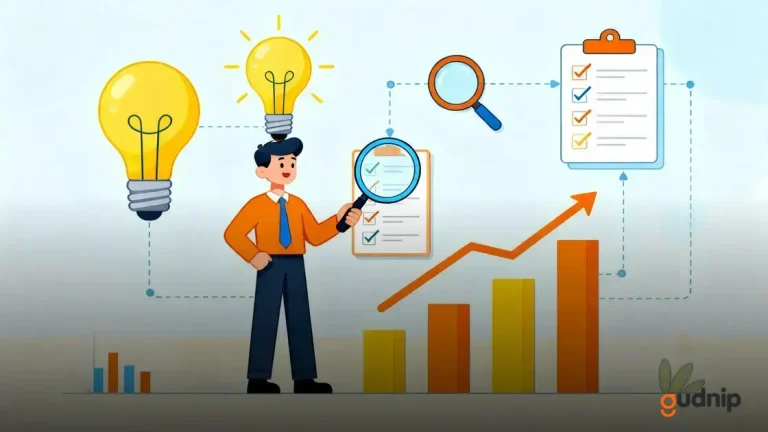
Validating a business idea is crucial for anyone wanting to start a successful venture. Testing your concept helps ensure it meets real market needs. This process minimizes risk and guides your strategy.
By validating, you can identify gaps in your approach or discover untapped markets. Moreover, it builds confidence in your plans, allowing for informed decisions.
Keep reading to discover effective techniques that will help you validate your business idea and pave the way for success.
Why Validating a Business Idea Matters
Validating a business idea matters because it helps you understand if your concept is viable. Many people get excited about their ideas, but not all of them will succeed in the real world. Testing your idea can save you time and money, ensuring that you focus on what truly works.
This process allows you to connect with your target audience early on. By gathering feedback, you learn what customers want and need. This knowledge helps you to tweak your idea to better fit their expectations, increasing your chances of success.
Moreover, validating your business idea builds confidence. When you have data and input from potential customers, you can move forward with certainty. This reduces fear and doubt, giving your venture a stronger foundation as you begin the journey to launch.
Identifying Target Market for Validation
Identifying your target market is crucial when validating a business idea. A target market is the specific group of people who are most likely to buy your product or service. When you know who these people are, you can focus your efforts on understanding their needs and preferences, which increases your chances of success.
To find your target market, start by gathering information. Look at demographic factors like age, gender, and location. Also, consider interests and behaviors that may influence their purchasing decisions. Using surveys or social media can help you connect with potential customers and learn about their preferences.
Once you have identified your target market, use this knowledge to create a tailored approach. This means adapting your marketing strategies and product features to meet their specific needs. By targeting the right audience, you can ensure that your validation process is relevant and effective, helping to shape a winning business idea.
Techniques for Validating Your Idea
There are several effective techniques for validating your business idea. One popular method is conducting surveys. By asking potential customers about their needs and opinions, you can gather valuable insights. Surveys can be shared online via social media or email, making it easy to reach a wide audience.
Another useful technique is creating a Minimum Viable Product (MVP). An MVP is a basic version of your product that includes only the essential features. By offering this simplified product to users, you can test its appeal without investing too much time or money. The feedback you receive will help you improve your idea before a full launch.
Lastly, consider using landing pages to gauge interest. A landing page is a simple website that describes your product and has a call to action, like signing up for more information. By measuring how many people sign up, you can see if there is enough interest to proceed with your business idea. These techniques can help you validate your idea effectively.
Creating a Minimum Viable Product
Creating a Minimum Viable Product, or MVP, is an important step in validating your business idea. An MVP is the simplest version of your product that still solves a problem for customers. By focusing on just the essential features, you can test your idea without spending too much time or money.
To create your MVP, start by outlining the core functionality that your product must have. Think about the problems it will solve and how it will benefit users. Once you have this list, develop a basic version that includes only these key features. This helps ensure that you are addressing the most important needs of your target audience.
After creating your MVP, share it with early users to gain feedback. This feedback is invaluable. It helps you understand what users like and dislike, allowing you to make improvements. By refining your product based on real user experiences, you increase the chances of your business idea becoming successful in the long run.
Gathering Feedback from Potential Customers

Gathering feedback from potential customers is a key part of validating your business idea. By reaching out to your target audience, you can learn valuable insights about their needs and preferences. This helps you understand if your product truly resonates with them and if they see its value.
There are many ways to collect feedback. You can conduct surveys, hold focus groups, or even have one-on-one interviews. Each method allows you to ask specific questions and listen to customers’ thoughts. As you collect their feedback, pay close attention to common themes and suggestions for improvement.
Once you gather this feedback, take action. Use it to refine your product and address any concerns customers have. This not only improves your offering, but it also shows potential customers that you value their input. By incorporating their feedback, you build trust and increase the likelihood of a successful launch.
Assessing Market Demand and Trends
Assessing market demand and trends is vital when validating your business idea. Understanding what people want helps you create products that truly meet their needs. Market demand refers to how much of a product people are willing to buy, while trends show the direction the market is heading. Getting a grasp on both can guide your decisions.
You can start by researching your industry and identifying current trends. This involves looking at competitors, reading industry reports, and checking online resources. Social media can also give you insights into what people are talking about and what they want. By staying updated on trends, you can spot opportunities for your business.
Once you have gathered data, analyze it to understand potential demand for your idea. Look for gaps where your product can fill a need. If there’s high demand and minimal competition, it’s a good sign your business idea could be successful. Trying different approaches will help you make informed decisions that can lead to a thriving business.
Adjusting Your Idea Based on Feedback
Adjusting your idea based on feedback is an essential step in refining your business concept. When you receive suggestions and critiques from potential customers, it’s crucial to listen carefully. Their insights can reveal important areas for improvement that you may not have noticed before. This feedback helps you see your idea from a fresh perspective.
Once you gather enough feedback, take time to analyze it. Look for common themes or requests that arise frequently. Are there specific features that customers want? Or maybe there are parts of your product that confuse them? By understanding these points, you can make informed decisions on how to adjust your idea to better meet customer expectations.
After making adjustments, consider sharing the updated version of your idea with the same group for more feedback. This shows that you value their opinions and are willing to adapt. Continuous improvement based on customer input helps build trust and can lead to a stronger, more successful product in the market.
Making Informed Decisions Post-Validation
Making informed decisions post-validation is a crucial phase in developing your business idea. After validating your concept through feedback and research, you should have a clearer picture of what works and what doesn’t. This information is invaluable and can guide your next steps, whether you are ready to launch or need to make adjustments.
When deciding how to move forward, consider the data and insights you’ve collected. Look at customer feedback, market demand, and trends. Each factor will help you understand the viability of your product and the best approach for reaching your target audience. Prioritize which elements are essential to address in order to enhance your business’s success.
Finally, don’t forget the importance of flexibility in your decisions. The market can change, and new information may come to light. Be prepared to adapt your plans based on ongoing feedback and new trends. Staying receptive to change will not only strengthen your business idea but also ensure long-term success.