

Short Term Loans for Freelancers can be a real lifesaver when cash flow gets tight. They provide quick access to funds, helping freelancers cover bills, rent, or unexpected expenses without stress.
These loans are designed to be fast and flexible, fitting the unpredictable lifestyle of freelance work. With simpler applications and shorter approval times, getting the money you need has never been easier.
Understanding how to use these loans wisely can make a big difference in managing your finances. Keep reading to discover practical tips and insights that can help you make smarter financial decisions and stay on top of your freelance journey.
Understanding Short Term Loans
Short term loans are designed to provide quick cash to those who need it fast. Freelancers often have fluctuating income, making it tough to cover costs like rent, bills, or unexpected expenses. With short term loans, funding becomes available within days, allowing freelancers to stay afloat during lean periods.
These loans are usually smaller amounts and have shorter repayment terms. They can help you manage cash flow effectively and ensure that you can keep working on your projects without stress. Unlike traditional loans, the application process for short term loans is often simpler and faster, which is crucial for freelancers needing immediate help.
While short term loans offer quick relief, it is important to understand the terms and interest rates. Always read the fine print to know what you’re signing up for. Being informed helps freelancers make better financial decisions and avoid pitfalls that can lead to debt.
Benefits for Freelancers
Short term loans offer several benefits for freelancers facing financial ups and downs. One major advantage is quick access to cash. When projects are slow or clients delay payments, these loans can provide the funds needed to cover urgent expenses like rent or bills without waiting for your next paycheck.
Another benefit is flexibility in usage. Freelancers can use short term loans for a variety of purposes, such as upgrading equipment, investing in marketing, or handling unexpected costs. This flexibility allows freelancers to continue pursuing their work without letting finances hold them back.
Finally, obtaining a short term loan can build credit if repaid on time. This is crucial for freelancers who may want to apply for larger loans or credit in the future. By managing short term loans wisely, freelancers can improve their credit score, making it easier to get funding later when needed.
Eligibility Criteria
To qualify for a short term loan, freelancers must meet certain eligibility criteria. Generally, lenders look for proof of income to ensure you have a steady source of funds to repay the loan. This can include pay stubs, invoices, or bank statements that show your earnings over time.
Another important requirement is having a minimum age, which is typically 18 years. Additionally, freelancers must be a resident of the area where they are applying. Some lenders may also consider your credit history, but many are more focused on your current income and ability to repay the loan rather than your past credit issues.
Lastly, lenders may ask for identification documents like a driver’s license or passport. Providing these documents helps verify your identity and support your loan application. By ensuring you meet these criteria, you can improve your chances of securing the funding you need.
Application Process Explained
The application process for short term loans is usually straightforward and quick, which is a huge benefit for freelancers. First, you will need to choose a lender, which can often be done online. Many lenders offer easy-to-navigate websites where you can fill out a loan application form without leaving your home.
Once you have selected a lender, the next step is to provide the necessary information. This often includes personal details such as your name, address, and contact information. You will also need to share financial information, like your income and expenses, to help the lender understand your financial situation. Some lenders might ask for supporting documents to verify this information.
After you submit your application, the lender will review it, which can take anywhere from a few minutes to a few hours. If approved, you will receive information about the loan terms, including the amount and repayment schedule. Reviewing these details carefully is crucial, as it helps ensure you are comfortable with the terms before signing.
Common Myths Debunked
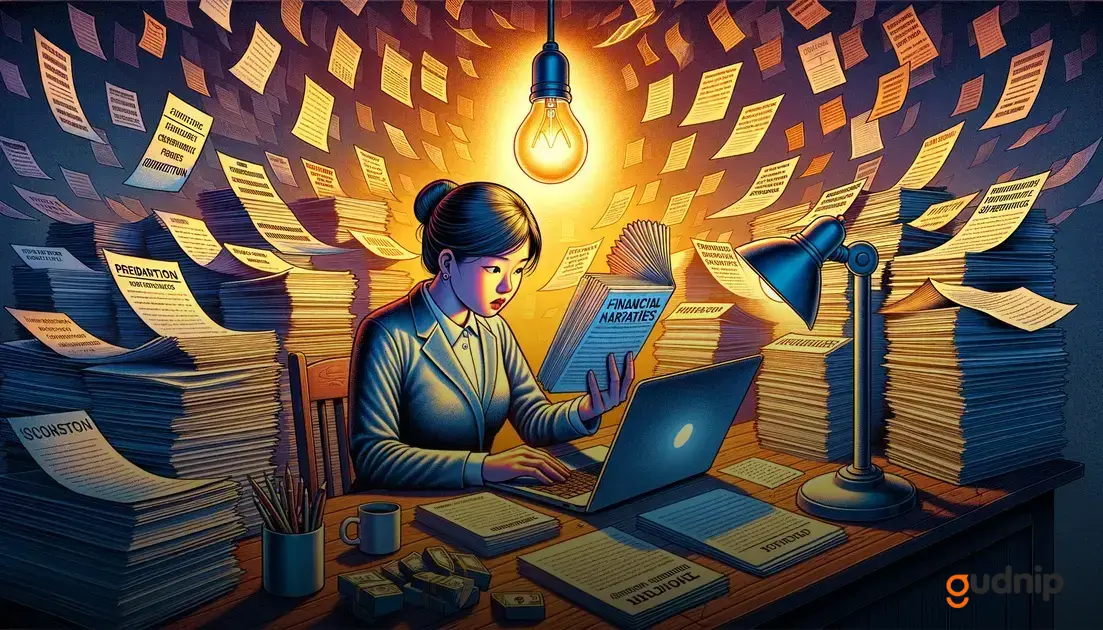
Many freelancers believe that short term loans are only for those in dire financial situations. However, this is a common myth. In reality, short term loans can be a smart choice for freelancers looking to manage cash flow and seize new opportunities, not just for emergencies.
Another myth is that all short term loans come with high interest rates. While some lenders do charge high rates, many offer competitive rates, especially if you have a good credit history. It’s essential to shop around and compare different lenders to find a loan that fits your needs and budget.
Lastly, some people think that applying for a short term loan will hurt their credit score. In truth, if you apply for loans wisely and repay them on time, you can actually improve your credit score. Understanding the facts can help freelancers use these loans to their advantage without worrying about misconceptions.
Tips for Choosing the Right Loan
When choosing the right loan, it’s important to shop around and compare options. Different lenders offer various terms, interest rates, and amounts. Take the time to review what each lender provides and how it fits your needs. This way, you can find a loan that aligns well with your financial situation.
Another essential tip is to carefully read the loan agreement. Look for any hidden fees or unclear terms that could affect your repayment. Understanding the full cost of the loan is crucial, as you want to avoid surprises later. Don’t hesitate to ask the lender any questions you may have.
Lastly, consider your repayment plan before committing to a loan. Think about your cash flow and how much you can comfortably afford to pay each month. Picking a loan with manageable payments will help you stay on track and avoid financial stress down the road.
Managing Loan Repayments Effectively
Managing loan repayments effectively starts with creating a budget. Freelancers should track their income and expenses to see how much they can afford to set aside for loan payments. By knowing your cash flow, you can avoid missing payments and reduce the risk of late fees.
Another important tip is to set up automatic payments if possible. Automatic payments can help ensure that you never forget a due date. This way, the payment is taken directly from your account on the scheduled date, making it easier to stay on top of your obligations.
If you find yourself struggling to make a payment, don’t hesitate to reach out to your lender. Many lenders are willing to work with you to find a solution, like adjusting your payment schedule. Being proactive about your repayment can help you avoid potential penalties and keep your finances on track.