
Secured vs Unsecured Loans Explained might sound like a technical topic, but it directly impacts how much you pay, how fast you get approved, and what you risk along the way. If you’re thinking about borrowing money, this is something you’ll want to understand clearly.
From using your assets as collateral to relying only on your credit score, each option comes with its own advantages and trade-offs. The right choice can save you money—or cost you more than expected if you’re not careful.
Before making any decision, it’s worth breaking down how each type of loan really works in practice. Keep reading to see which one actually fits your situation and financial goals.
Definition of Secured Loans
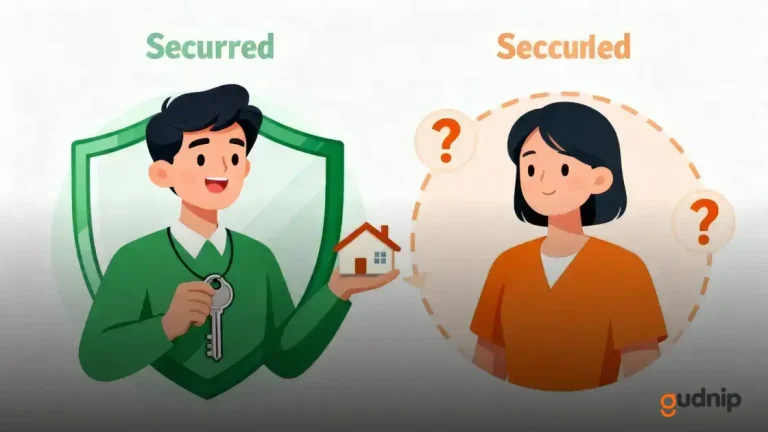
A secured loan is a type of borrowing where the borrower offers something valuable, like a car or a house, as a guarantee. This guarantee is called collateral. If the borrower fails to repay the loan, the lender can take the collateral to recover their money.
Because secured loans have this protection for lenders, they often come with lower interest rates compared to unsecured loans. This makes them an attractive option for those who need larger amounts of money or want to save on interest costs.
However, it’s important to remember that taking out a secured loan comes with risks. If you cannot repay the loan, you could lose your collateral, which is a significant financial loss. Understanding these aspects is crucial when deciding whether a secured loan is the right choice for you.
Definition of Unsecured Loans
An unsecured loan is a type of borrowing that does not require any collateral. This means you don’t have to put up personal property, like a house or car, to get the loan. Instead, the lender bases their decision mainly on your credit score and financial history.
Since unsecured loans are riskier for lenders, they often come with higher interest rates. This is because, if you fail to repay the loan, the lender has no specific asset to recover. Examples of unsecured loans include personal loans, credit cards, and student loans.
Despite the higher rates, unsecured loans can still be a good option for many people. They offer flexibility and quick access to funds without the risk of losing valuable belongings. Understanding unsecured loans is essential when deciding between them and secured loans.
Key Differences Between Secured and Unsecured Loans
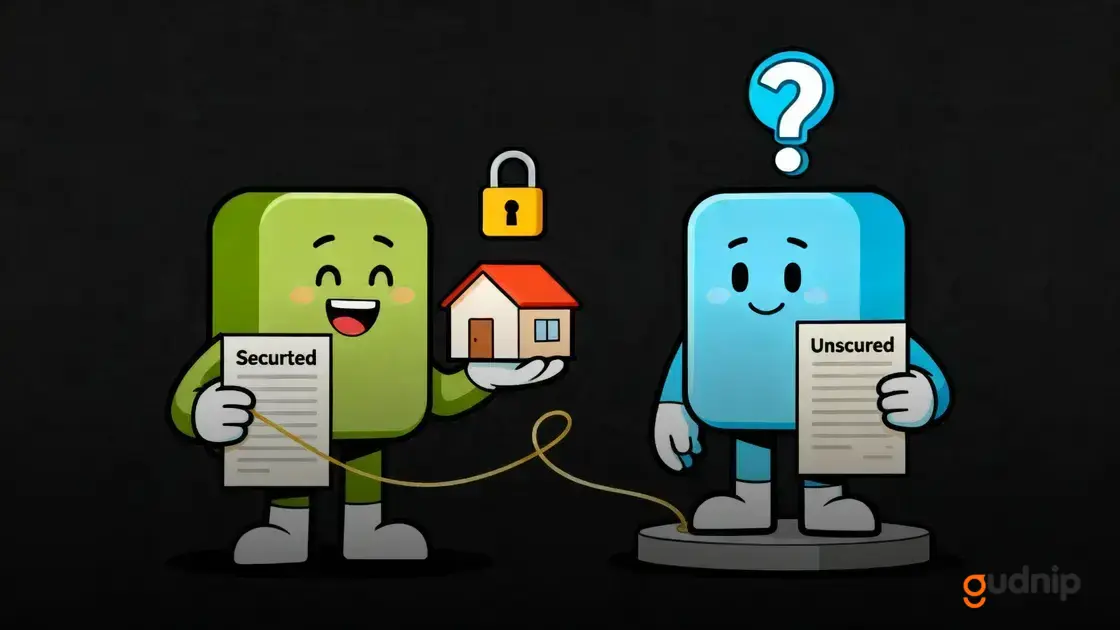
Secured and unsecured loans differ mainly in whether collateral is involved. A secured loan requires you to offer an asset, like a home or car, as a guarantee for the loan. This provides security for the lender, meaning they can reclaim the asset if you don’t repay the loan, which typically results in lower interest rates.
On the other hand, unsecured loans do not require collateral. Instead, lenders look at your creditworthiness and income to determine if you qualify. Because there is no security for the lender, unsecured loans usually have higher interest rates compared to secured loans. This difference can impact how much you end up paying over time.
Another key difference is in the risk involved. With secured loans, the risk is lower for the lender, which can lead to easier approval and potentially larger loan amounts. For unsecured loans, since there is more risk to the lender, getting approved may be harder, especially for borrowers with lower credit scores. Understanding these differences helps you make the best choice for your financial needs.
Pros and Cons of Secured Loans
Secured loans have several advantages. One major pro is the lower interest rates. Because these loans are backed by collateral, lenders feel more secure lending money to borrowers, leading to savings on interest costs. Additionally, securing a loan with collateral can make it easier for people with lower credit scores to qualify.
However, there are also downsides to secured loans. The most significant con is the risk of losing your asset if you fail to repay. This means if you default, the lender can take your house or car. This risk can create stress for borrowers, especially if their financial situation changes unexpectedly.
Another consideration is the loan amount you may qualify for. Secured loans often allow for larger sums because they have collateral backing them. But this can lead borrowers to take on more debt than they can handle. Weighing these pros and cons is crucial to decide if a secured loan is right for your needs.
Pros and Cons of Unsecured Loans
Unsecured loans offer several benefits, with the most significant being the lack of collateral. This means you don’t have to risk valuable assets like your home or car when borrowing money. Additionally, the application process for unsecured loans can be quicker and simpler, as lenders mainly rely on your credit score to make decisions.
However, there are some downsides to unsecured loans. One major con is that they typically come with higher interest rates than secured loans. This is because lenders face more risk since they can’t claim any assets if you fail to repay. As a result, borrowers may end up paying more in the long run.
Another consideration is the loan amounts available. Since there’s no collateral backing the loan, lenders may limit how much you can borrow based on your creditworthiness. This can make unsecured loans less suitable for large expenses, like buying a home or financing a major project. Weighing the pros and cons helps in deciding if an unsecured loan is the best choice for your financial situation.
When to Choose Secured Loans
Choosing a secured loan can be the right move when you need a large amount of money. If you’re planning to make a significant purchase like a home, car, or even pay for renovations, secured loans often provide lower interest rates, making them a smart choice. This can save you money over the life of the loan.
Another situation to consider secured loans is when you have a strong credit history but want the best terms. Even if you qualify for an unsecured loan, putting up collateral can lead to better loan conditions, such as higher amounts or more flexible repayment plans. This can give you greater financial freedom.
Lastly, secured loans are a good option if you’re in a tight spot financially and need quick cash. Borrowers with assets can often gain approval more easily. Just keep in mind the importance of being able to repay, as failing to do so can lead to the loss of your collateral. Understanding when to opt for secured loans helps in achieving your financial goals more effectively.
When to Choose Unsecured Loans
Unsecured loans are best chosen when you need quick access to cash without any collateral. If you’re facing unexpected expenses, like medical bills or car repairs, an unsecured loan can provide fast help without risking your property. The application process is usually quicker and easier than for secured loans, making them ideal for urgent financial needs.
If you don’t want to put your assets at risk, unsecured loans are a great choice. Since there’s no collateral involved, you won’t lose your home or car if you cannot repay the loan. This can give you peace of mind, especially if your financial situation is uncertain.
Unsecured loans are also suitable for smaller amounts when you might not need to borrow a large sum. For instance, if you want to consolidate debt or finance a personal project, an unsecured loan may cover those costs without the hassle of providing collateral. Evaluating when to choose unsecured loans can help you manage your finances better.