
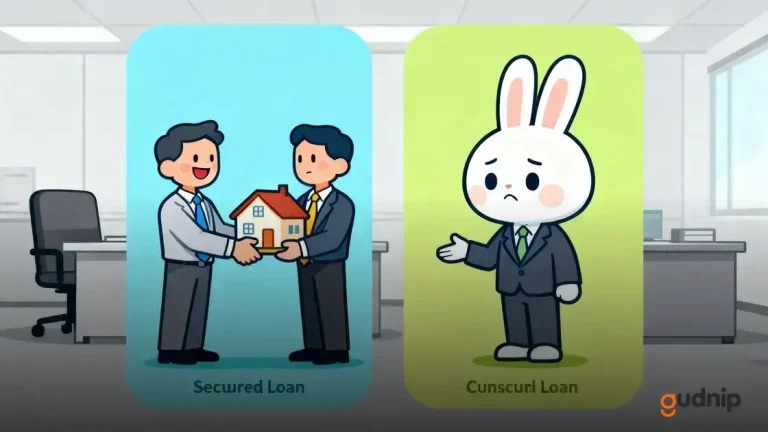
Secured loan differences can significantly impact your financial decisions. Understanding how they work is crucial for making informed choices about borrowing money. Knowing the details may help you choose the best loan for your needs.
These loans are backed by collateral, which lowers the lender’s risk. This often leads to better interest rates and terms. However, it’s important to weigh the pros and cons carefully.
Explore the nuances of secured loans and discover how they differ from other loan types! Keep reading to discover insights that can save you money.
What Is a Secured Loan?
A secured loan is a type of borrowing where you offer an asset to back the loan. This asset could be your home, car, or another valuable item. If you fail to repay the loan, the lender has the right to take that asset to recover their money.
Because of this added security, secured loans often come with lower interest rates compared to unsecured loans. Lenders feel safer knowing they have something to back their investment. This means you may qualify for a larger amount of money.
Secured loans can be a good option for those who need cash but may have a lower credit score. The collateral reduces the risk for lenders, making it easier for borrowers to obtain funds when they need them most.
How Secured Loans Differ from Unsecured Loans
Secured loans and unsecured loans differ mainly in how they are backed. A secured loan requires you to provide an asset, like a house or car, as collateral. This means if you can’t pay the loan, the lender can take that asset. On the other hand, an unsecured loan doesn’t need collateral. It relies only on your creditworthiness to get approved.
Due to the added security of collateral, secured loans often have better interest rates. Lenders feel more confident giving money since they have an asset to claim if needed. Unsecured loans usually carry higher interest rates, as the risk for lenders is greater without collateral to back them.
Another key difference is how loan amounts are determined. Secured loans can often give you access to larger sums of money, matching the value of your asset. Unsecured loans, however, may have limits based on your income and credit score, making it harder to borrow larger amounts.
Advantages of Secured Loans
Secured loans offer several advantages that make them a popular choice for many borrowers. One of the biggest benefits is the lower interest rates. Since these loans are backed by collateral, lenders see them as less risky. This means you can save money on interest, making it easier to pay off your loan in the long run.
Another key advantage is the potential for larger loan amounts. Lenders usually feel more comfortable giving you a bigger sum when there is something of value to back it up. This can be helpful if you’re looking to finance a significant purchase, like a home renovation or a new car.
Secured loans can also improve your chances of getting approved, especially if you have a low credit score. Since the loan is secured with collateral, lenders are more inclined to lend money to those who might otherwise struggle to get an unsecured loan. This makes secured loans a great option for many borrowers in need of funds.
Disadvantages of Secured Loans
While secured loans have their benefits, they also come with important disadvantages. The most significant risk is that you could lose your collateral if you fail to make your payments. This means that if you can’t pay back the loan, the lender has the right to take your home or car, which can be a major financial setback.
Another disadvantage is that secured loans can lead to larger debts. Since these loans may offer bigger borrowing amounts, some people may take on more debt than they can handle. This can create financial stress and make it harder to manage monthly budgets.
Lastly, the approval process for secured loans can be time-consuming. Lenders often require a lot of documentation to assess your collateral’s value. This can slow down the process and make it frustrating for borrowers who need money quickly. It’s essential to weigh these risks before deciding on a secured loan.
Common Types of Secured Loans
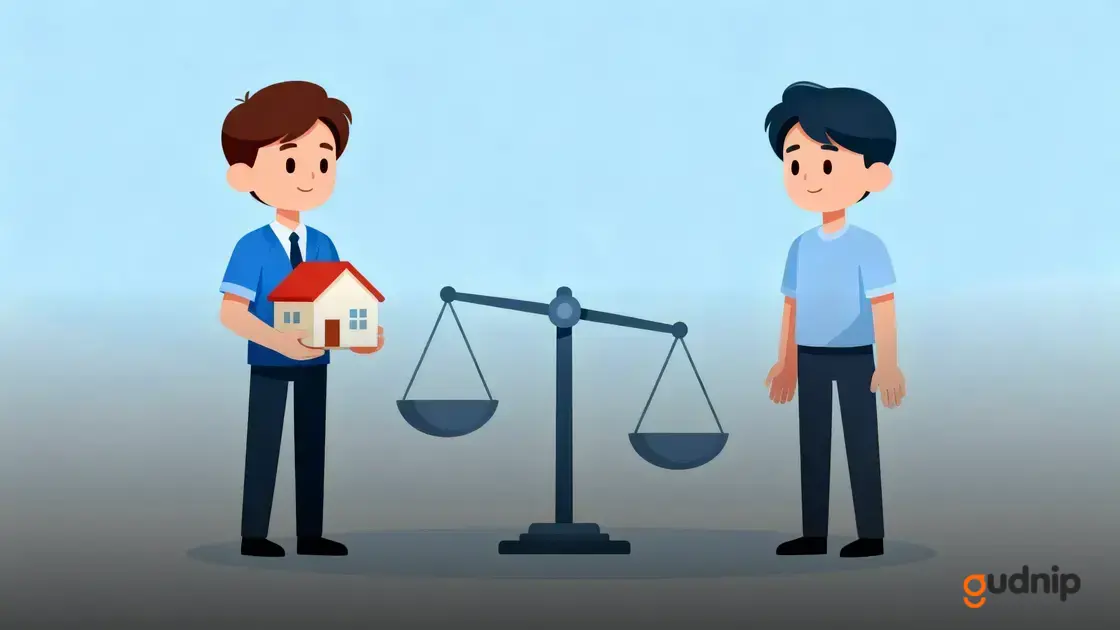
There are several common types of secured loans that many people use to meet their financial needs. One popular type is a mortgage, where the home itself serves as collateral. If you fail to make your mortgage payments, the lender can take your house, ensuring they recover their money.
Another common type is an auto loan, which is used to purchase a car. In this case, the vehicle is the collateral. If the borrower misses payments, the lender can repossess the car. This makes auto loans accessible but also risky for borrowers who might struggle to pay.
Home equity loans are also popular and allow homeowners to borrow money against the value of their home. These loans are often used for renovations or large purchases. Like other secured loans, if you don’t repay a home equity loan, you risk losing your home. Understanding these types can help you choose the right loan for your situation.
Who Should Consider a Secured Loan?
Secured loans can be a great option for several groups of people. First, individuals who own valuable assets, like a house or car, may consider secured loans to access funds. Since these assets can be used as collateral, lenders feel more comfortable providing loans, often at lower interest rates.
People with lower credit scores should also think about secured loans. Because these loans require collateral, lenders might approve borrowers who would struggle to get an unsecured loan. This can be a helpful way to get the money needed for important expenses, like home repairs or medical bills.
Finally, anyone looking to make a large purchase, such as a car or home renovations, may want to consider a secured loan. These loans typically offer higher amounts and better terms, making them a smart choice for financing significant investments. Understanding these factors can help borrowers make informed choices.
Key Factors in Choosing a Secured Loan
When choosing a secured loan, one of the key factors to consider is the interest rate. Lower rates can save you a lot of money over time. It’s important to compare rates from different lenders to find the best deal. Even a small difference in rates can add up to big savings on your payments.
Another important factor is the loan term. This is how long you will be paying back the loan. Some people prefer shorter terms to pay off their debt quickly, while others might need longer terms for smaller monthly payments. Think about your budget and choose a term that suits your financial situation.
Lastly, always check the fees associated with the loan. Some lenders charge origination fees or early repayment fees. These costs can increase the total amount you end up paying. Make sure to read the fine print and understand all the fees before signing any loan agreement. Being informed helps you make the best choice.