
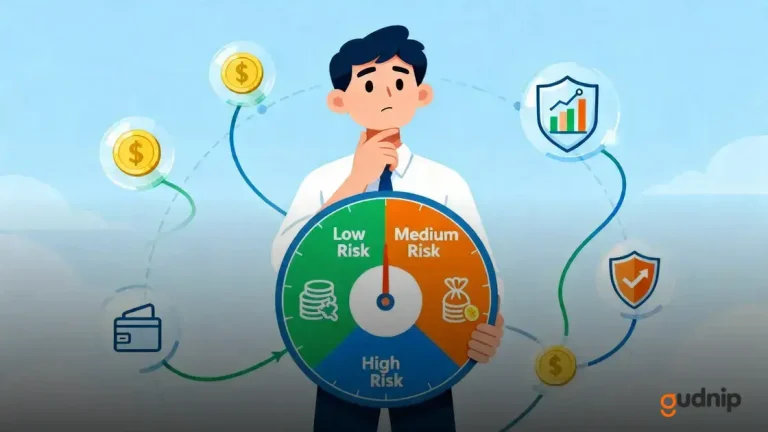
Risk tolerance assessment investing plays a crucial role in your financial journey. It helps define how much risk you can take with your investments without losing sleep.
Understanding your risk tolerance is essential for making informed choices that align with your financial goals. Knowing what risks you can handle can lead to more successful investment outcomes.
Start your journey to effective investing today. Keep reading to discover how to accurately assess your risk tolerance and achieve your financial dreams!
Understanding Risk Tolerance
Understanding risk tolerance is key to making smart investment choices. It tells you how much risk you are willing to take with your money. Everyone has different comfort levels when it comes to risking their hard-earned cash.
Your risk tolerance can change over time based on your age, income, and financial goals. For example, younger investors may feel okay with taking bigger risks, hoping for higher returns. In contrast, older investors might prefer safer options to protect their savings as they approach retirement.
Knowing your risk tolerance helps you choose investments that fit your style. It is important to take the time to figure this out. By understanding what risks you can handle, you can make better investment decisions and feel more confident about your financial future.
Importance of Risk Assessment
The importance of risk assessment in investing cannot be overstated. When you assess risk, you learn about the potential ups and downs of different investments. This knowledge helps you feel more in control of your financial decisions.
Conducting a risk assessment allows you to identify the level of risk you are comfortable with. This understanding helps in picking investments that match your goals. If you begin with a clear sense of what risks you are willing to accept, you are more likely to stick to your plan even when markets get tough.
Additionally, risk assessment can protect you from making poor investment choices. By knowing your risk tolerance, you can avoid investments that might make you anxious or lead to big losses. It ensures that your investment strategy aligns with your peace of mind and long-term success.
Types of Risk Tolerance
There are three main types of risk tolerance: conservative, moderate, and aggressive. A conservative investor prefers to take very little risk. They usually seek investments that protect their capital and provide stable returns. This type of investor values security more than high returns and often opts for bonds or stable stocks.
A moderate investor is willing to accept some risk for the potential of higher returns. They aim for a balanced approach, often holding a mix of stocks and bonds. This type of risk tolerance allows for some growth, while also providing a level of safety during market fluctuations.
An aggressive investor is ready to take on significant risk to achieve the highest possible returns. This person often invests heavily in stocks, especially those with high growth potential. While this approach can lead to great rewards, it also comes with a chance of big losses. Understanding these types of risk tolerance can help you choose investments that fit your personality and financial goals.
How to Assess Your Risk Tolerance
Assessing your risk tolerance starts with asking yourself some key questions. Think about how you feel when your investments lose value. Are you calm, or do you feel anxious? Your emotional response to risk is a strong indicator of your risk tolerance.
Next, consider your financial goals and timeline. If you plan to use your money soon, you might prefer safer investments. However, if you’re investing for the long term, such as retirement, you may be more open to taking risks for bigger rewards.
Finally, use risk tolerance questionnaires available online. These tools often ask about your investment knowledge, financial situation, and comfort with market swings. By answering honestly, you can gain valuable insights into how much risk you can take on confidently. Understanding your risk tolerance will help you make wiser investment choices that fit your needs.
Factors Influencing Risk Tolerance

Several factors influence your risk tolerance when investing. One important factor is your age. Younger investors generally have more time to recover from losses. This can lead them to take more risks. On the other hand, older investors might be more cautious since they have less time to bounce back from market downturns.
Your financial situation also plays a significant role. If you have a stable income and plenty of savings, you may feel more secure taking on investment risks. However, if you are living paycheck to paycheck, you might prefer safer options to protect your finances, especially during uncertain times.
Lastly, personal experiences shape your risk tolerance too. If you’ve had positive experiences with investing, you might be open to higher risks. Conversely, if past investments have left you anxious or burnt, you could become more conservative. Understanding these factors can help you find a risk tolerance that fits your unique situation.
Risk Tolerance and Investment Strategies
Understanding your risk tolerance is essential for creating effective investment strategies. If you have a high risk tolerance, you might focus on growth-oriented investments such as stocks. These investments can be very volatile, but they also offer the potential for higher returns over time. This strategy is suitable for those who are comfortable with the ups and downs of the market.
On the other hand, if you have a low risk tolerance, you may prefer safer investments like bonds or savings accounts. These options provide more stability and less fluctuation in value. Although the returns may not be as high as with stocks, this strategy can help protect your money and reduce anxiety during market downturns.
For those with a moderate risk tolerance, a balanced approach can work best. This means investing in a mix of both stocks and bonds. This strategy allows you to benefit from growth while still having a safety net in place. Adjusting your investment strategy based on your risk tolerance can help you reach your financial goals while keeping you comfortable along the way.
Adjusting Your Risk Tolerance Over Time
Adjusting your risk tolerance over time is an important part of successful investing. As life changes, your financial situation and goals may shift as well. For example, you might become more conservative as you age or if you experience major life changes, like starting a family or buying a home. It’s important to regularly check in on your comfort level with risk.
Market conditions can also influence your risk tolerance. During strong market growth, you might feel more confident and willing to take on greater risks. However, if market volatility increases or a recession occurs, it can make you rethink your investment strategy. Staying aware of these changes helps ensure your strategy keeps up with both your goals and the world around you.
Finally, reviewing your investments regularly is essential for adjusting your risk tolerance. Set aside time to evaluate your portfolio and see how it aligns with your current situation and comfort level. By being proactive in these assessments, you can make informed choices that support your financial goals and help you stay at ease with your investment decisions.
Common Misconceptions About Risk Tolerance
One common misconception about risk tolerance is that it only applies to aggressive investors. Many people think risk tolerance means being willing to lose money for big rewards. In reality, risk tolerance is about understanding your personal comfort level with investing, whether you’re conservative or aggressive. It can change over time and affects everyone, regardless of their investment style.
Another myth is that a higher risk always leads to higher returns. While it’s true that risk can bring greater rewards, it’s not guaranteed. Many high-risk investments can lead to significant losses. It’s important to assess how much risk you can handle without feeling stressed. Understanding this can help you make smarter choices that suit your personal situation.
Lastly, some people believe that once they set their risk tolerance, it never changes. This is not true! Risk tolerance can shift due to life events, market conditions, or changes in goals. Regularly checking in on your risk tolerance is important to ensure your investment strategy stays aligned with your current needs and financial goals.
Tools for Risk Tolerance Assessment
There are several useful tools available for assessing your risk tolerance. One common tool is an online risk tolerance questionnaire. These questionnaires ask you a series of questions about your investment preferences, financial situation, and comfort with risk. After you complete the questionnaire, you receive a risk profile that can help guide your investment choices.
Another valuable resource is working with a financial advisor. A professional can provide personalized advice based on your individual circumstances. They can help you understand your risk tolerance better and suggest investment strategies that suit your comfort level. This one-on-one approach can be very beneficial in making informed decisions.
Lastly, many investment platforms offer built-in analysis tools that assess your risk tolerance based on your investments. These tools often provide visual graphs and insights into how your current portfolio aligns with your risk profile. By using these tools regularly, you can stay informed and adjust your investment strategy as your risk tolerance changes over time.