
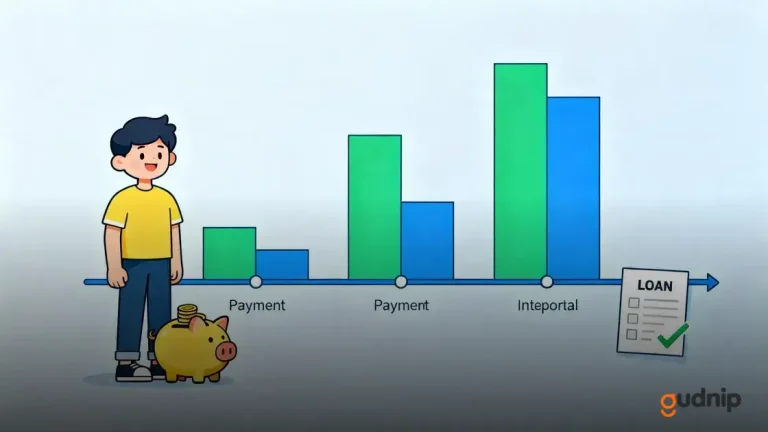
Loan amortization explained simply helps you understand how loans are repaid over time. Knowing this concept is essential for managing personal finances and making informed decisions.
Amortization affects your monthly payments and total interest paid. It’s crucial to grasp this to avoid common pitfalls when borrowing money.
Ready to take charge of your loan management? Keep reading to discover the surprising ways proper amortization can save you money!
What is Loan Amortization?
Loan amortization simply means spreading out the cost of a loan over time. When you take out a loan, you don’t pay it all back at once. Instead, you pay a set amount each month until the loan is fully paid off. This makes it easier for borrowers to manage their finances without overwhelming costs.
Each monthly payment goes toward both the principal amount and the interest. The principal is the money you borrowed, while the interest is the fee for borrowing that money. At the start of the loan, most of your payments go toward interest. Over time, more of your payment goes to reducing the principal.
Understanding loan amortization is crucial for anyone considering a loan. It helps you see how much you owe, how much you’ll pay each month, and how long it will take to pay off your loan. This knowledge allows you to budget better and make smarter financial choices.
How Amortization Works
Amortization works by breaking down your loan payments into equal amounts over a set period. Each month, you will pay a fixed amount that includes both the interest and a portion of the principal. This method makes it easier to predict how much money you need to budget monthly.
The process starts with the total amount borrowed, called the loan principal. Over time, as you make payments, the principal decreases, and you pay less interest. At first, your payments cover mostly interest, but as time goes on, more of your payment goes toward lowering the principal.
This gradual reduction of the principal is what makes amortization effective. By the end of the loan term, you will have paid off both the original amount borrowed and the interest. Understanding how amortization works can help you manage your payments and financial planning better.
Importance of Understanding Amortization
Understanding amortization is important because it helps you manage your loans wisely. When you know how your payments are structured, you can plan your budget more effectively. It allows you to see how much interest you will pay over time and how quickly you can pay off your loan.
By grasping the concept of amortization, you can make better financial decisions. For example, if you know that paying a little extra each month can reduce your total interest, you may choose to do so. This knowledge empowers you to take control of your finances and work toward paying off your loans faster.
Additionally, understanding amortization helps you compare different loan offers. By knowing how payments are calculated, you can find the loan that is best for you. This understanding can save you money and make the borrowing process much clearer and less stressful.
Amortization Schedules Explained
An amortization schedule is a detailed table that breaks down each payment you make on a loan. It shows how much of each payment goes toward paying off the principal and how much goes toward interest. This schedule helps you visualize your loan’s progress over time, making it easier to understand the repayment process.
Each row of the schedule typically includes the payment number, the total payment amount, the interest paid, the amount applied to the principal, and the remaining balance. By looking at this schedule, you can see how your payments change over the life of the loan, with more money going toward the principal as time goes on.
Having an amortization schedule is very useful for planning your finances. It allows you to track your loan payoff and understand how extra payments can help you pay off your loan sooner. Whether you’re a first-time borrower or experienced, knowing how to read and use an amortization schedule can help you make better financial decisions.
Calculating Amortization Yourself
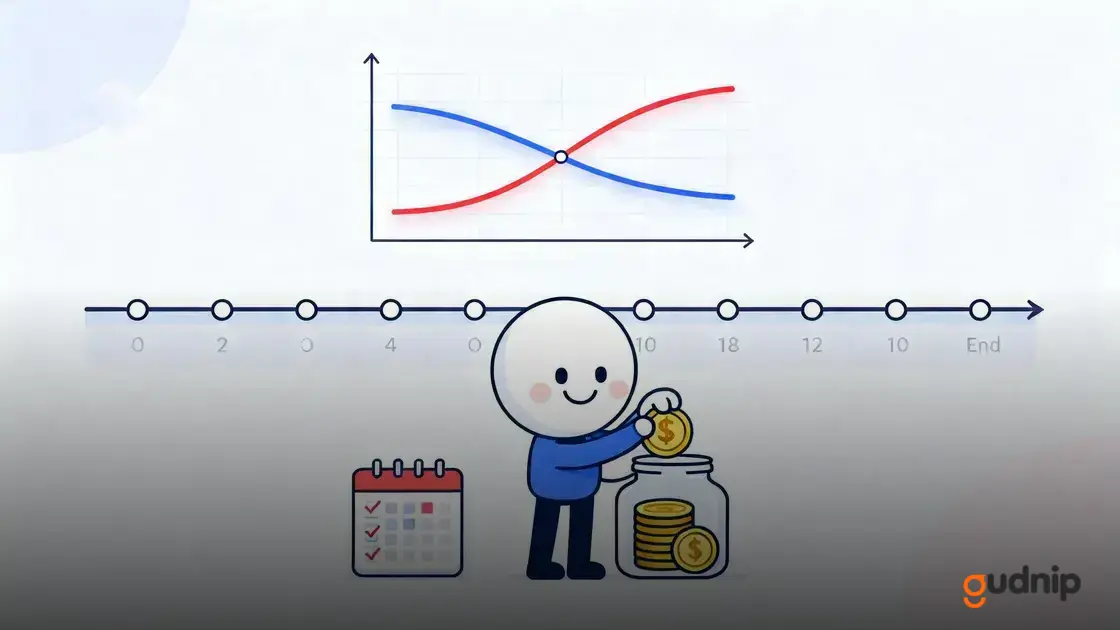
Calculating amortization yourself can be simple with the right formula. Start by knowing the loan amount, the interest rate, and the loan term in months. To find your monthly payment, you can use the formula: M = P[r(1+r)^n] / [(1+r)^n – 1], where M is your monthly payment, P is the loan amount, r is the monthly interest rate, and n is the number of payments.
Once you have your monthly payment, you can determine how much goes toward interest and how much reduces your principal balance. In the first month, multiply the loan amount by the monthly interest rate to find the interest. Subtract that interest from your monthly payment to know how much gets applied to the principal.
As you make payments each month, you will notice the interest amount decreases and the principal repayment increases. By tracking these calculations, you can create your own amortization schedule and see how your loan reduces over time. This hands-on approach gives you a better understanding of managing your loans effectively.
Common Mistakes in Amortization
One common mistake in amortization is overlooking the interest rate. Many borrowers assume their monthly payments will be the same, not realizing that a small change in interest rates can significantly affect the total cost of the loan. Always double-check the interest rate and how it impacts your monthly payments to avoid surprises.
Another mistake is not making extra payments when possible. While it may seem like a good idea to stick to the minimum monthly payment, making even small extra payments can greatly reduce your principal balance. This leads to paying less interest over time and can shorten the loan term.
Finally, a lot of people forget to review their amortization schedules regularly. By not tracking your payments, you might miss out on understanding your loan’s progress. Regularly checking your schedule can help you stay motivated and identify opportunities for faster payoff.
Tips for Managing Amortization Better
One tip for managing amortization better is to create a budget that includes your loan payments. Knowing exactly how much you need to pay each month helps you plan your finances more effectively. This way, you won’t be caught off guard by your payment due dates, and you can allocate your money wisely.
Another helpful tip is to consider making extra payments whenever possible. Even adding a small amount to your monthly payment can make a big difference. These extra payments go directly toward your principal, reducing the amount of interest you will pay over the life of the loan.
Lastly, using online tools or calculators can simplify your amortization management. Many websites offer free calculators that help you track your progress and visualize how extra payments affect your loan. By harnessing these resources, you can stay informed and motivated throughout your loan journey.