
Lean startup methodology explained empowers entrepreneurs to innovate faster and smarter. This approach streamlines the process, reducing waste and improving outcomes.
By focusing on customer feedback and rapid prototyping, businesses can adapt quickly to market needs. The power of this methodology lies in its ability to minimize risks while maximizing potential.
Unlock the secrets of successful startups and learn how to apply these techniques to your ventures. Keep reading to discover game-changing strategies!
What is Lean Startup Methodology?
What is Lean Startup Methodology? It is a way for new businesses to grow and succeed by using a unique approach. This method helps entrepreneurs focus on their ideas without wasting time or money on things that may not work. By testing ideas quickly, startups can learn what customers really want.
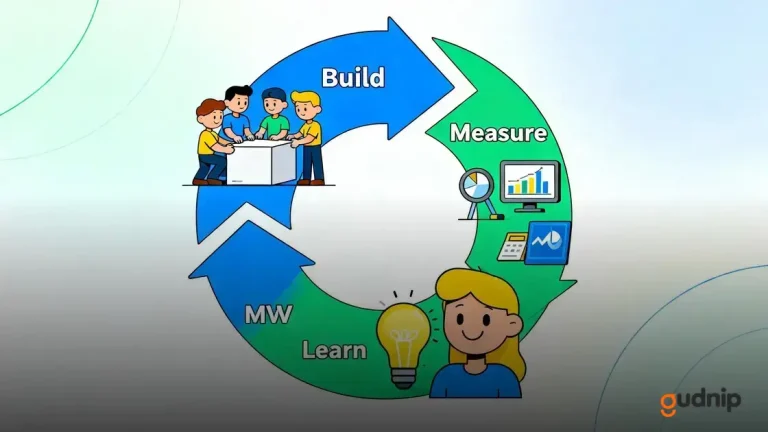
The Lean Startup Methodology is built on three main steps: Build, Measure, and Learn. First, entrepreneurs create a simple version of their product, called a Minimum Viable Product (MVP). They then measure how customers respond to it and gather feedback to learn what improvements are needed.
This approach encourages startups to be flexible and adapt their plans based on real feedback. Instead of sticking with an idea that might not succeed, they can change direction if necessary, making it easier to find a successful path. In short, the Lean Startup Methodology helps new businesses grow smarter and faster.
Principles of Lean Startup
The Principles of Lean Startup focus on using a scientific approach to create new products. These principles help entrepreneurs understand what customers really want and how to build products that solve their problems. By testing ideas and gathering feedback, businesses can avoid spending money on features that no one will use.
One key principle is the concept of the Minimum Viable Product (MVP). This means launching a simple version of a product to see how customers react. By getting real feedback early on, startups can make necessary changes and improvements before investing too much time and money.
Another important principle is continuous learning. Lean Startup encourages businesses to always adapt based on what they learn from customers. This process helps teams become more agile and responsive, allowing them to grow and succeed in a competitive market.
Build-Measure-Learn Feedback Loop
The Build-Measure-Learn Feedback Loop is a key part of the Lean Startup Methodology. This process consists of three steps that help entrepreneurs create and improve their products. In the Build phase, a startup develops a Minimum Viable Product (MVP) to test its ideas and see how customers respond.
Next comes the Measure phase. Here, entrepreneurs gather data from users to find out how well the product is performing. They look at customer feedback and usage patterns to understand what works and what doesn’t. This information is essential for making informed decisions about the product’s future.
Finally, in the Learn phase, startups analyze the data collected to adjust their product or strategy. They identify key insights and decide whether to pivot or continue with their current path. This feedback loop ensures that businesses stay focused on meeting customer needs and improves their chances of success.
Minimum Viable Product (MVP)
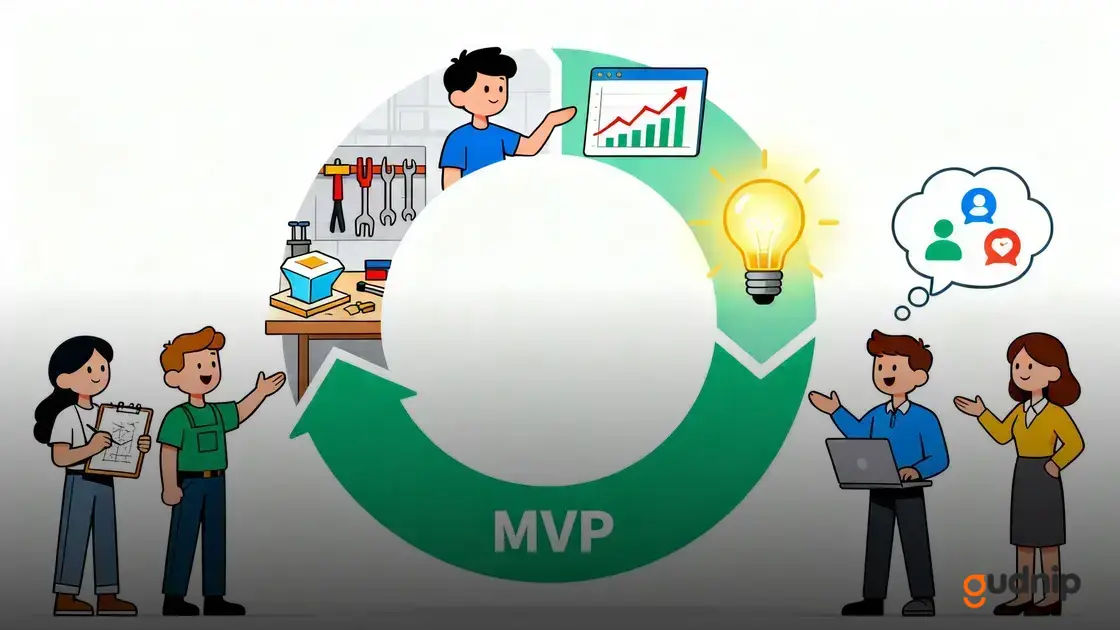
A Minimum Viable Product (MVP) is the simplest version of a product that can be offered to customers. It includes just enough features to satisfy early adopters and gather valuable feedback. By launching an MVP, startups can start learning about their customers’ needs and preferences without spending too much time or money.
The main goal of an MVP is to test ideas quickly. Instead of waiting to develop a fully-featured product, entrepreneurs can get their MVP into the hands of users sooner. This approach allows them to see what works and what doesn’t, leading to smarter decisions about what to build next.
With an MVP, feedback from real users becomes the driving force behind a product’s development. This process helps teams identify important features to focus on, making it easier to create a product that truly meets customer demands. In short, an MVP is a powerful tool for startups looking to learn and adapt quickly.
Validating Business Ideas
Validating business ideas is a crucial step in starting a new venture. This process involves testing whether your idea truly meets the needs of potential customers. By validating, entrepreneurs can avoid building products that are not wanted or needed. It’s all about ensuring that there is a market before investing too much time or money into development.
One effective way to validate a business idea is by gathering feedback from real people. Entrepreneurs can conduct surveys, interviews, or focus groups to hear directly from their target audience. These discussions help uncover insights about customers’ preferences, pain points, and willingness to pay for the product or service.
Another approach is to create a landing page or simple ad to gauge interest in the idea. By measuring how many people sign up or show interest, startups can get a better sense of whether their business idea has potential. This validation process not only saves resources but also helps refine the idea based on customer input.
Pivoting and Persevering
Pivoting and persevering are two critical concepts in the Lean Startup Methodology. When entrepreneurs face challenges or realize their initial ideas are not working, they may need to pivot. This means making significant changes to the product or strategy based on feedback and learning. It allows businesses to adapt and find better solutions that meet customer needs.
For example, a startup might start with one product idea but discover that customers are more interested in a different feature. Instead of sticking to their original plan, they can pivot to focus on what’s truly valuable to users. This flexibility often leads to greater success in the long run.
Persevering is just as important. Not every idea will succeed right away, and many startups face setbacks. It is essential for entrepreneurs to stay committed and keep working towards their goals, even during tough times. By combining the ability to pivot with perseverance, startups can navigate obstacles and ultimately thrive.
Experiments and Learning
Experiments and learning are at the heart of the Lean Startup Methodology. Startups conduct experiments to test their ideas quickly and efficiently. These experiments can take many forms, such as surveys, prototypes, or simple ads. By running these trials, entrepreneurs can discover what works and what doesn’t before fully developing their products.
Learning from these experiments is crucial. After testing, startups analyze the data and gather feedback from users. This information helps them understand customer preferences and guides future decisions. The goal is to learn quickly and adjust accordingly, ensuring that the product evolves in a way that meets real market needs.
This cycle of experimentation and learning encourages a culture of innovation. Startups that embrace this mindset are more likely to succeed because they can pivot and adapt based on what they learn. By viewing challenges as opportunities for experimentation, businesses can continuously improve their offerings and stay ahead of competition.
Case Studies and Success Stories
Case studies and success stories are powerful ways to understand how the Lean Startup Methodology works in real life. Many successful companies started small and faced challenges before they found their winning idea. By examining these stories, entrepreneurs can learn what strategies worked, what didn’t, and how they adapted to succeed.
One well-known example is Dropbox. The founders started by creating a simple video that explained their idea. This video served as their MVP, allowing them to gather interest and feedback before developing the actual product. This approach helped them validate their idea and grow their user base quickly.
Another example is Airbnb. The founders faced many struggles in getting their business off the ground. They continuously experimented with different ideas, such as improving their website and testing new marketing strategies. Through perseverance and learning from their experiences, they transformed their platform into one of the biggest names in the travel industry.