
Investment volatility basics are crucial for any investor to understand. It refers to the degree of variation of trading prices over time. High volatility can signal significant risks and opportunities in the investment landscape.
Understanding these concepts helps investors make informed decisions and manage their portfolios effectively. Identifying the factors contributing to volatility can empower you to mitigate risks.
Keep reading to discover strategies that can help you navigate through market fluctuations successfully.
What is Investment Volatility?
Investment volatility refers to the ups and downs in the price of an investment over time. It measures how much the price can change, showing the uncertainty of an investment. If an investment has high volatility, it can experience big price swings in a short period.
This fluctuation can happen due to many factors, like market trends, economic conditions, or company performance. When investors see significant changes in prices, they might feel excited or worried. Understanding these changes is key to making good investment choices.
Managing investment volatility means being prepared for risks and opportunities. Knowing that some investments are more volatile than others can help you decide where to put your money. With the right knowledge, you can confidently navigate the market and protect your investments.
Why Does Investment Volatility Matter?
Investment volatility matters because it reflects the risks involved in investing. When prices swing up and down, it can affect your profits and losses. Understanding volatility helps investors prepare for these changes and make better decisions with their money.
Moreover, knowing about volatility can guide you in choosing the right investments. Some people are comfortable taking risks for higher rewards, while others prefer safer options. By recognizing how volatile an investment is, you can align your strategies with your comfort level and financial goals.
Finally, investment volatility impacts the overall market. When many investors react to price changes, it can create trends that influence many stocks or bonds. This means that understanding volatility not only helps individual investors but also helps in understanding market behavior as a whole.
Factors Influencing Investment Volatility
Investment volatility can be influenced by many factors. One major factor is economic news. When reports about the economy come out, they can cause investors to change their minds about buying or selling. Positive news may lift prices, while negative news can lead to declines.
Another important factor is market sentiment. This refers to how investors feel about the market. If investors are confident, they may buy more, which increases prices. If they are worried, they might sell, causing prices to drop. Emotions can play a big role in how volatile the market becomes.
Lastly, global events can also impact investment volatility. Things like political changes, natural disasters, or even major international events can cause prices to fluctuate quickly. Investors need to be aware of these factors to navigate the market effectively.
Types of Investment Volatility
Investment volatility comes in different types, each affecting the market in unique ways. One common type is price volatility, which occurs when the prices of assets like stocks or commodities rise and fall sharply. This can happen daily or even hourly, driven by news, trends, or investor behavior.
Another type is implied volatility, which indicates how much investors expect prices to change in the future. It is often used in options trading. High implied volatility means investors expect large price swings, while low implied volatility suggests they believe prices will stay stable.
Finally, historical volatility looks back at how much an investment’s price has changed over a specific period. It helps investors understand past trends and make informed predictions about future behavior. Knowing these types can help investors choose their strategies wisely.
How to Measure Volatility in Investments
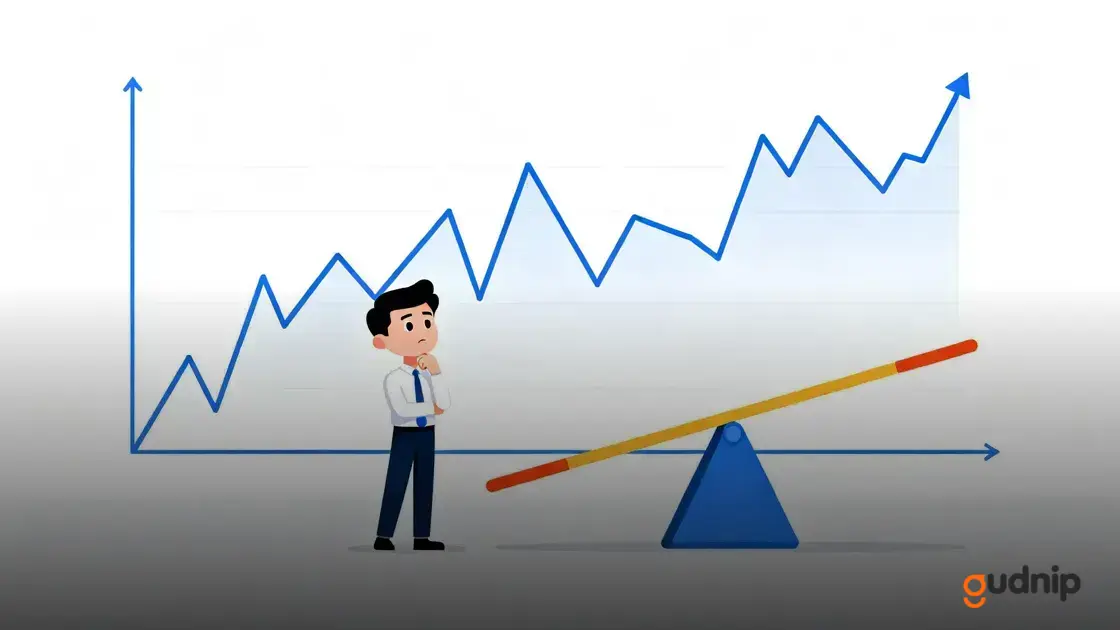
To measure volatility in investments, one common method is to calculate the standard deviation. This method shows how much the price of an investment has varied from its average price over a specific period. A high standard deviation means the price is fluctuating a lot, while a low standard deviation indicates more stable prices.
Another way to measure volatility is by using the beta coefficient. Beta compares the volatility of an investment to that of the overall market. A beta higher than 1 means the investment is more volatile than the market, while a beta lower than 1 shows less volatility. This helps investors understand a stock’s risk level relative to market movements.
Finally, the Average True Range (ATR) is a helpful tool that measures market volatility by looking at the price range of an asset over time. ATR considers both price increases and decreases, providing a clearer picture of how much an investment can fluctuate in the market.
Strategies to Manage Volatility
One effective strategy to manage volatility is to diversify your investments. By spreading your money across different types of assets, like stocks, bonds, and real estate, you can reduce the risk of losing money. When one investment is down, another might be up, helping to balance your overall portfolio.
Another approach is to set clear investment goals and stick to them. Knowing your time frame and how much risk you can tolerate can guide your decisions during volatile times. If you stick to your plan, you are less likely to make emotional choices based on market swings.
Lastly, using stop-loss orders can protect your investments. A stop-loss order automatically sells your investment when it reaches a certain price. This tool helps you limit losses and avoid deeper downturns, making it easier to manage the bumps in the market.
Volatility and Market Cycles
Volatility is closely linked to market cycles, which are the natural up and down movements in the economy. During an economic expansion, prices tend to rise, and investment markets usually become more stable. In contrast, during a recession, prices may fall sharply, leading to higher volatility as investors react to the changing environment.
Understanding how these cycles work helps investors recognize that volatility is a normal part of investing. It is common for markets to experience fluctuations based on economic events, interest rates, or changes in consumer confidence. This awareness can make it easier for investors to stay calm during downturns and stick to their strategies.
Moreover, being aware of the different stages in market cycles can aid in timing investments. For example, buying during a period of high volatility might be risky, but it could also present opportunities if you research and choose wisely. By recognizing these cycles, you can better manage your investments and potentially capitalize on market movements.
Understanding Risk in Volatile Investments
Understanding risk in volatile investments is essential for every investor. Volatile investments can change in value quickly, which means there is a chance of losing money. Recognizing this risk helps you prepare for possible losses and make informed decisions about where to invest.
Another important aspect of managing risk is knowing your own risk tolerance. This is how much risk you are willing to take based on your financial goals and comfort level. If you are not comfortable with high volatility, it may be better to choose more stable investments, even if they offer lower returns.
Finally, it’s essential to stay informed about external factors that can impact risk. Market conditions, economic news, and global events can all affect how volatile your investments may be. By staying updated, you can anticipate changes and adjust your investment strategy accordingly, helping to reduce risk in a volatile environment.
Tools for Tracking Investment Volatility
To keep an eye on investment volatility, traders often use financial software and apps. Programs like Bloomberg Terminal or Morningstar offer real-time data and analytics. These tools allow investors to see price changes, trends, and detailed statistics about different assets.
Another helpful tool is volatility indexes, such as the CBOE Volatility Index (VIX). This index measures expected market volatility and helps investors gauge future price movements. Monitoring the VIX can provide insight into overall market sentiment and potential risks.
Lastly, using basic spreadsheets like Microsoft Excel can also help track volatility. By inputting historical price data, you can calculate standard deviations and create charts to visualize changes over time. This can help you identify patterns and make smarter investment decisions.