

How to Invest With Little Money Safely is a question a lot of people ask when they want to grow their finances but don’t want to take unnecessary risks. The good news is that you don’t need a big bank balance to start making smart moves. With the right mindset and options, small steps can still lead somewhere meaningful.
Investing with limited money is less about luck and more about choices. Understanding safer paths, avoiding common traps, and knowing where beginners usually go wrong can make all the difference. When you focus on consistency instead of quick wins, investing feels a lot less intimidating.
If you’ve ever thought investing wasn’t for you because you’re starting small, this might change your perspective. There are practical ways to protect your money while helping it grow over time. Keep reading to see how small decisions today can quietly build a stronger financial future.
Understanding Safe Investment Options
Understanding safe investment options is crucial for anyone looking to grow their money without taking big risks. Some popular choices include savings accounts, certificates of deposit, and government bonds. These options are considered safe because they are backed by banks or the government, which makes them less likely to lose value.
Another great option is mutual funds. They allow you to invest in a variety of stocks and bonds at once. By spreading your money across different investments, you reduce the risk of losing it all if one investment doesn’t perform well. This is especially helpful for those who are just starting out with small amounts of money.
Real estate investment trusts (REITs) are also worth considering. They let you invest in real estate without needing a lot of cash upfront. By purchasing shares in a REIT, you can enjoy the benefits of property investment while keeping your money safe. Always do your homework about any investment option to ensure it fits your needs and goals.
Benefits of Investing Small Amounts
Investing small amounts can lead to big benefits over time. When you invest little by little, you start building good habits. These habits help you learn more about the market and grow your skills as an investor. Even small investments can add up quickly with the magic of compound interest, which means your money earns money.
Another benefit is that investing small amounts makes it easier to take risks. You don’t have to worry as much if one investment doesn’t go well. By starting small, you can test different options to see what works for you without losing a lot of money. This way, it’s less stressful, and you can enjoy the learning process.
Lastly, investing small amounts allows you to take advantage of opportunities when they arise. If you find a great investment option, you can jump in with your small funds. This flexibility lets you take advantage of market changes without putting all your money at stake. Over time, these little investments can lead to significant growth and help secure your financial future.
Common Misconceptions About Low-Investment
Many people believe that you need a lot of money to start investing, but this is a common misconception. You can begin investing with very small amounts and still grow your savings. Low-investment options allow anyone, regardless of their financial situation, to participate in the market. Starting small often leads to good habits that can lead to bigger investments down the road.
Another misconception is that low-investments don’t yield significant returns. While it’s true that larger investments may earn more, small investments can also provide impressive growth. With time, even tiny amounts can benefit from compound interest, allowing your money to grow steadily. Additionally, choosing the right low-risk assets can still offer good returns without the fear of losing everything.
Some people think that low-investment options are not worth their time. This belief can hold them back from valuable opportunities. In reality, small investments create a great way to learn about the market and fine-tune your strategy. The experience gained can be just as important as money earned, helping you become a better investor in the long run.
Best Platforms for Small Investors
There are many great platforms for small investors that make it easy to start investing with little money. One popular choice is a robo-advisor, which uses algorithms to manage your investments based on your goals and risk tolerance. This means you don’t have to be an expert to get started, and many robo-advisors require low minimum deposits to begin.
Another excellent option is investing apps, like Acorns or Robinhood. These apps allow you to start investing with just a few dollars. Acorns even rounds up your purchases and invests the spare change automatically! This makes it easy and fun to invest small amounts regularly without feeling the pinch.
Lastly, consider online brokerage accounts, such as TD Ameritrade or E*TRADE. These platforms often have low fees and offer a range of investment options, including stocks, bonds, and mutual funds. They are ideal for small investors who want to learn and explore more about the investment world while keeping their costs low.
Diversifying Your Small Investment
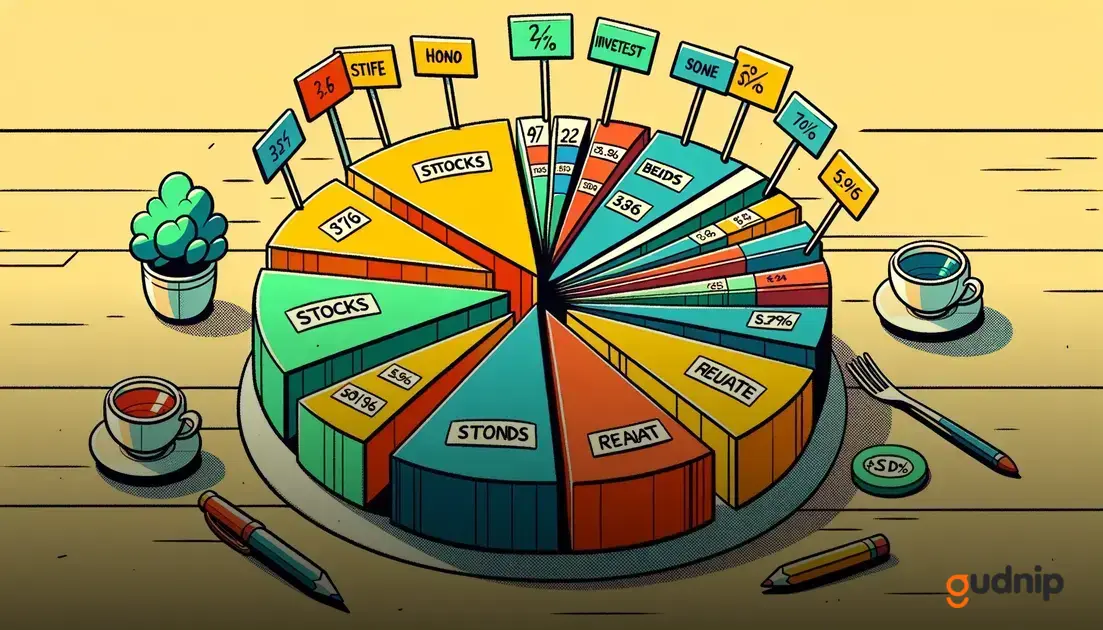
Diversifying your small investment is an important strategy to reduce risk and increase potential returns. Instead of putting all your money into one single stock or asset, spreading your investments across different areas helps protect you. If one investment doesn’t perform well, others may still thrive, balancing out your overall risk.
One simple way to diversify is to invest in various asset types, such as stocks, bonds, and real estate. Even with a small amount of money, you can create a mix that works for you. For example, consider a low-cost index fund that tracks a wide range of stocks. This allows you to own small pieces of many companies without having to pick them individually.
Additionally, think about investing in different sectors and industries. Instead of just tech stocks, consider diversifying into healthcare, finance, or consumer goods. This protects you from losing money if one sector has a tough time. With smart diversification, even small investments can lead to healthy growth over time.
Tips for Reducing Investment Risks
Reducing investment risks starts with doing thorough research before putting your money down. Understand the basics of the investment you’re considering and know what you’re getting into. Look for reliable sources of information, such as books, articles, and websites. The more you know, the better decisions you can make to minimize your risks.
Diversification is another key tip for reducing risks. By spreading your investments across different types of assets, you can shield yourself from major losses. For instance, if one stock drops in value, your other investments might hold steady or even gain, balancing your portfolio. This way, you lower the chances of losing money overall.
Lastly, consider setting limits and sticking to them. Before you invest, decide how much money you are willing to risk and do not exceed that amount. This helps keep your finances in check and prevents emotional decisions that could lead to bigger losses. By keeping a clear plan and following it, you can navigate investments more safely.
Long-Term vs. Short-Term Strategies
When thinking about investing, you have two main strategies: long-term and short-term. Long-term investing means holding onto your investments for many years, even decades. This approach typically allows your money to grow through compound interest and can help you ride out market ups and downs. It’s a great choice for those who are patient and looking to build wealth steadily over time.
On the other hand, short-term investing involves buying and selling assets quickly, usually within days or months. This strategy can be exciting because you might see quick gains, but it also comes with higher risks. Short-term investors need to pay close attention to market trends and news, as prices can change rapidly. It can be harder to predict when to buy or sell, which might result in losses.
Choosing between these strategies depends on your financial goals and risk tolerance. If you want a steady approach and are in it for the long haul, long-term investing may be better for you. But if you’re looking for quick returns and can handle some risks, short-term investing could be appealing. Understanding both strategies can help you make smarter choices for your money.
Using Automated Investment Tools
Using automated investment tools is a smart way to manage your money without needing to be an expert. These tools, often referred to as robo-advisors, can help you create an investment plan based on your goals and risk level. By entering some basic information, you can let the tool do the heavy lifting for you.
One of the main benefits of automated investment tools is that they usually come with lower fees compared to traditional financial advisors. Since the process is automated, it eliminates the need for a consultant to manage your investments daily. This way, even with a small amount of money, you can still have a well-managed portfolio at a fraction of the cost.
Automated tools also help you maintain a diversified investment strategy without much effort. They automatically balance your portfolio based on market conditions and your set preferences. This means you can focus more on your financial goals while your investments grow safely over time.
Monitoring Your Investment Progress
Monitoring your investment progress is an important step in becoming a successful investor. Regularly checking on your investments helps you understand how well they are performing. It allows you to make informed choices if you need to adjust your strategy. Many platforms offer user-friendly dashboards to easily track growth and changes over time.
When monitoring your progress, look at important factors like the overall return on your investments and any changes in market conditions. Even small fluctuations can impact your strategy significantly. Keep an eye on your asset allocation to ensure it still reflects your goals and risk tolerance. Adjusting your investments when necessary can help protect your money.
Setting specific milestones can also help you stay engaged with your investments. For example, review your performance every three or six months. This way, you can celebrate your successes and identify areas that need improvement. By keeping tabs on your investments regularly, you can make smarter decisions and work toward your financial goals more effectively.