
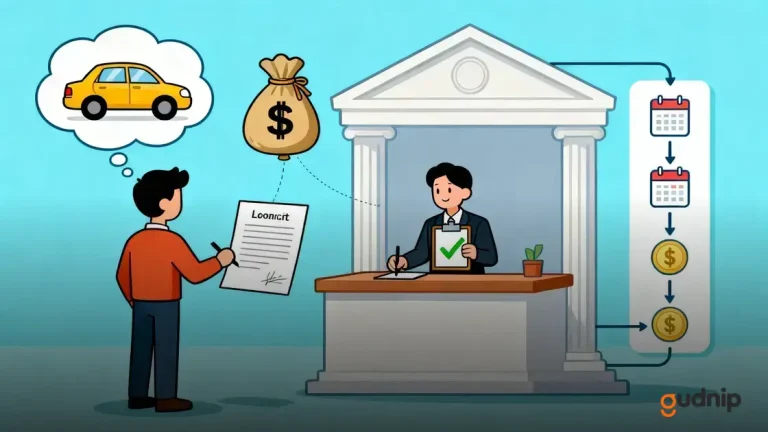
Personal loans are a useful financial tool for managing various expenses. Understanding how personal loans work is essential for making informed decisions.
These loans can help consolidate debt, cover emergencies, or finance big purchases.
Keep reading to discover how to leverage personal loans to your advantage and unlock your financial potential.
Understanding Personal Loans
Understanding personal loans is essential for anyone considering borrowing money. A personal loan is an amount you borrow from a bank or financial institution. You pay it back in fixed monthly payments over a set period.
These loans can be used for various purposes, such as paying for medical bills, home improvements, or even funding a wedding. Since personal loans are unsecured, they don’t require collateral, which makes them accessible to many borrowers.
Interest rates for personal loans can vary based on your credit score and the lender’s terms. It’s important to shop around and compare offers to find the best rate for your financial situation.
Types of Personal Loans
There are different types of personal loans to fit various needs. One common type is a secured personal loan. This loan is backed by collateral, like your car or savings account. Because there is less risk for the lender, these loans usually have lower interest rates.
Another popular option is an unsecured personal loan. Unlike secured loans, these do not require collateral. This type is great for those who don’t want to risk their assets. However, they often come with higher interest rates because the lender has more risk.
Finally, there are installment loans. These loans require you to make fixed payments over a set time period. This gives you a clear plan for repayment, making it easier to manage your budget.
How Personal Loans Work
Understanding how personal loans work is crucial for making smart financial choices. When you take out a personal loan, you borrow a specific amount of money from a lender. In return, you agree to pay it back over a certain time period with interest. This process allows you to access funds for various needs without being limited by the purpose of the loan.
Once you apply and are approved for a personal loan, the lender provides you the funds. You can use this money for many reasons, such as consolidating debt, paying for education, or covering unexpected bills. It’s important to know the terms of the loan, including interest rates and repayment schedules.
As you make monthly payments, you gradually repay the loan amount plus the interest. This structured repayment plan helps you manage your finances better. Always remember to pay on time to avoid penalties and improve your credit score.
Eligibility for Personal Loans
To qualify for a personal loan, lenders often look at your credit score. A good credit score shows that you manage your finances responsibly. Most lenders prefer a score of 600 or higher, but some might approve lower scores, especially with a strong income or other factors.
Your income is another important factor for eligibility. Lenders want to ensure you can repay the loan on time. They may ask for proof of income through pay stubs or tax returns. A steady job with regular pay can help improve your chances of approval.
Finally, your debt-to-income ratio plays a significant role too. This ratio compares your monthly debt payments to your income. A lower ratio means you have more income available to pay off new loans. Lenders often prefer a debt-to-income ratio of 40% or lower.
Applying for a Personal Loan
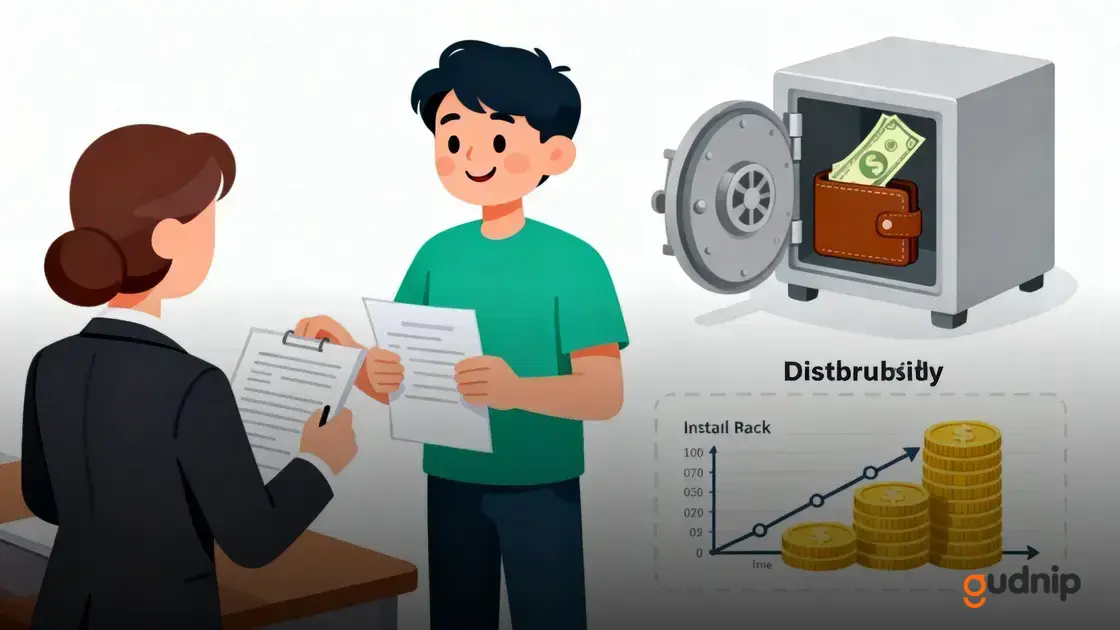
Applying for a personal loan starts with research. It’s important to compare different lenders and their offers. Look at interest rates, fees, and loan terms to find the best deal. Some lenders may have online tools that help you see what you might qualify for before you apply.
Once you choose a lender, you’ll need to fill out an application. This usually involves providing personal information, like your name, address, and Social Security number. You’ll also need to share details about your income and employment. Being honest and clear will help speed up the process.
After submitting your application, the lender will review it and check your credit. This usually takes just a few days. If approved, you will receive a loan offer that outlines the amount and terms. Make sure to read this carefully before accepting the loan.
Interest Rates and Fees
When taking out a personal loan, it’s essential to understand interest rates and fees. Interest rates can vary based on your credit score and the lender’s terms. A lower interest rate means you’ll pay less money over time. Always look for loans with competitive rates to save money in the long run.
In addition to interest, many loans come with fees. These fees can include application fees, origination fees, and late payment fees. Some lenders may charge a prepayment penalty if you pay off the loan early. Make sure to ask about all potential fees before accepting a loan offer.
Reading the fine print is crucial. This helps you understand not only the interest rates but also any fees that might apply. Being informed will help you make better decisions and avoid surprise costs during the loan period.
Managing Your Personal Loan
Managing your personal loan is key to maintaining good finances. The first step is to create a monthly budget that includes your loan payment. This helps ensure you have enough money set aside for each payment. Sticking to your budget can prevent missed payments and keep your credit score healthy.
Make it a habit to pay your loan on time. Late payments can lead to fees and higher interest rates. Some lenders offer automatic payments, which can make it easier to stay on track. Setting reminders on your phone or calendar is another good way to remember due dates.
If you ever face trouble making payments, reach out to your lender as soon as possible. Many lenders can help offer solutions, such as adjusting your payment plan. Open communication can prevent further issues and help you manage your loan more effectively.
When considering a personal loan, it’s crucial to know what it means for your financial health. A personal loan can provide quick cash for emergencies or larger purchases, but it comes with responsibilities. You need to make regular payments and understand how this debt fits into your overall budget.
Each month, you’ll have a set payment amount that includes both principal and interest. Keeping track of these payments is important for avoiding late fees and maintaining your credit score. Many people use budgeting apps or spreadsheets to help keep their finances organized.
If you ever struggle to make payments or have financial changes, reach out to your lender. They may offer options to adjust your payment plan or provide temporary relief. Keeping an open line of communication with your lender can significantly impact your ability to manage the loan successfully.