
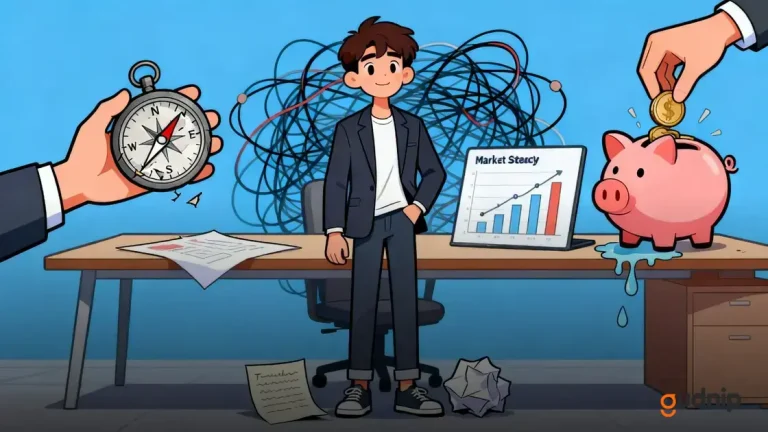
Common Startup Mistakes to Avoid can quietly hold a great idea back before it even gets the traction it deserves. Knowing what usually goes wrong helps you move with more confidence and fewer costly surprises.
Every startup journey comes with challenges, but many of them are predictable—and avoidable. With the right mindset and a bit of awareness, you can sidestep common pitfalls and build something much more solid from the start.
If you’re serious about growing your business the smart way, understanding these mistakes can make all the difference. Keep reading to discover what to watch out for and how to stay ahead.
Understanding Common Startup Mistakes
Understanding common startup mistakes is crucial for new entrepreneurs. Many startups fail because they don’t see these pitfalls coming. Recognizing these issues early can save time, money, and effort in the long run.
One major mistake is not doing enough market research. Entrepreneurs often think they know what customers want, but without solid data, they might be wrong. Failing to understand the market can lead to poor product decisions.
Another error is losing track of finances. Many startups underestimate their costs or overspend in the beginning. Keeping a close eye on finances helps ensure that the business remains sustainable and can grow without unexpected setbacks.
Financial Mismanagement Pitfalls
Financial mismanagement is one of the biggest pitfalls startups can face. Many entrepreneurs don’t have a solid plan for handling their money. This can lead to overspending and running out of cash quickly.
Another common mistake is not keeping track of expenses. Some startups ignore small costs, thinking they do not matter. However, these small expenses can add up fast, causing trouble down the line.
Additionally, failing to set a budget can create chaos. A budget helps a startup understand its financial limits and make smarter choices. Without one, spending can easily spiral out of control, putting the business at risk.
Neglecting Market Research
Neglecting market research can be a costly mistake for startups. Many entrepreneurs jump into creating their products without understanding what customers truly need. This can lead to building something that no one wants to buy.
Conducting effective market research helps businesses know their audience. It uncovers trends, preferences, and pain points. Without this information, startups risk misaligning their offerings, which can hurt their chances of success.
Moreover, ignoring the competition is another consequence of neglecting market research. Knowing what others are doing allows startups to differentiate themselves. If they overlook this, they might enter a market that is already saturated or miss out on unique opportunities.
Overlooking Customer Feedback
Overlooking customer feedback can be a serious mistake for startups. Customers provide valuable insights about products and services. Ignoring their opinions means missing chances to improve and innovate.
Listening to feedback helps startups understand what works and what doesn’t. Many entrepreneurs assume they know best, but customers can offer fresh perspectives. By being open to their voices, businesses can create better experiences for their users.
Moreover, failing to address customer concerns can lead to dissatisfaction and lost loyalty. Happy customers are likely to spread the word, but unhappy ones can harm a brand’s reputation. Startups should actively seek feedback to build strong relationships with their audience.
Ignoring Team Dynamics

Ignoring team dynamics can lead to major problems in a startup. A strong team is crucial for success, and understanding how team members interact is essential. When leaders overlook these dynamics, conflicts can arise, hurting collaboration and creativity.
Healthy communication within a team is vital. Without it, misunderstandings can grow, leading to frustration and a lack of trust. When team members feel unheard, their motivation decreases, which can affect overall performance and company morale.
Moreover, recognizing and valuing each person’s strengths can make a big difference. By promoting teamwork and inclusivity, startups can harness diverse talents. Teams that work well together are more likely to achieve their goals and drive the company forward.
Failing to Adapt Quickly
Failing to adapt quickly is a common mistake that many startups make. In today’s fast-paced world, change is constant. If a startup does not adjust to new trends or customer needs, it risks falling behind. Competitors that embrace change will likely take the lead.
Staying flexible and open to change is essential for growth. This involves regularly reviewing strategies and being ready to pivot when necessary. When startups ignore the need for adaptation, they may miss out on opportunities for improvement and innovation, which are important for staying relevant.
Moreover, responding to feedback and market shifts allows startups to better serve their customers. Companies that show they can evolve are more likely to build trust and loyalty. Ultimately, quick adaptation can be the key to long-term success in the ever-changing business landscape.
Underestimating Competition
Underestimating competition is a serious mistake that many startups make. Entrepreneurs often believe their ideas are unique and that they have little to worry about from others. However, there are always competitors who are watching and ready to pounce if a startup does not pay attention.
Understanding the competitive landscape is key to survival. This means knowing who the competitors are, what they offer, and how they attract customers. By ignoring this, startups might miss important insights that could help them improve or innovate their own products and services.
Moreover, recognizing competition encourages startups to identify their unique value. When they understand what sets them apart, they can communicate this to customers effectively. A strong awareness of competition helps businesses stay agile and continuously enhance their offerings to remain attractive in the market.
Misleading Business Forecasts
Misleading business forecasts can create serious problems for startups. When entrepreneurs present overly optimistic projections, they risk losing credibility with investors and stakeholders. If the numbers do not match reality, trust can quickly erode, making it hard to secure future funding.
Additionally, inaccurate forecasts can lead to poor decision-making. Startups might hire too many employees or overstock inventory based on inflated sales predictions. When these forecasts do not pan out, the company can face financial strain and may need to make difficult cuts.
Being honest and realistic about forecasts is crucial. By using solid data and reasonable assumptions, startups can create plans that reflect their true potential. This approach helps in setting achievable goals and building a stronger foundation for growth.