
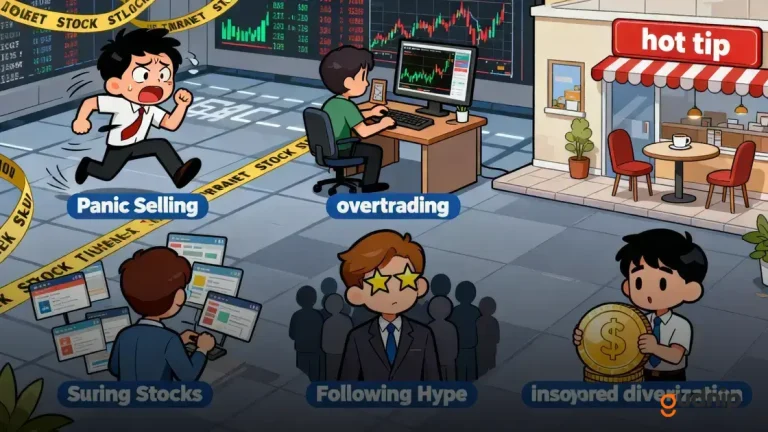
Investing can be incredibly rewarding, but it is not without pitfalls. Common investment mistakes can derail even the most promising strategies. Knowledge is key to protecting your assets.
Many investors make oversights that could be easily avoided with proper understanding and preparation. Recognizing these errors early can save you time and money.
Keep reading to discover how to steer clear of these costly mistakes and secure your financial future.
Understanding Common Investment Mistakes
Understanding common investment mistakes is the first step to becoming a better investor. Many people jump into investing without enough research, thinking they can make quick profits. Unfortunately, this often leads to losses when things don’t go as planned.
One common mistake is letting emotions drive investment decisions. Traders may buy or sell based on fear or excitement, which can lead to poor choices. Staying calm and following a clear plan is essential for success.
Another mistake to avoid is ignoring hidden fees. Many investors overlook how much fees can impact their returns over time. By being aware of these costs, you can make smarter choices and protect your investment profits.
Neglecting Research
Neglecting research is a major mistake that many new investors make. They may hear about a stock or investment trend and jump in without understanding it fully. Without proper research, you miss out on important information that could affect your decision.
Investing time in research helps you understand the market and specific investments better. This knowledge allows you to spot opportunities and potential risks. For example, knowing a company’s growth history or financial health can help you decide whether to invest or avoid it.
Moreover, neglecting research can lead to poor investment choices that could cost you money. By taking the time to gather information, you can build a strong foundation for your investment strategy. Remember, an informed investor is often a successful one.
Emotional Decision Making
Emotional decision making is a common pitfall for investors. When the market is booming, excitement can lead to impulsive buying. However, when prices fall, fear can cause hasty selling. These emotions can cloud your judgment and lead to poor investment choices.
It’s important to stay calm and stick to your strategy. Allowing feelings to dictate your moves often results in buying high and selling low. Learning to manage your emotions is a key part of being a successful investor.
By making decisions based on research and a solid plan, rather than emotions, you can avoid these costly mistakes. Training yourself to think rationally can help you make better choices, even in tough situations.
Ignoring Fees and Expenses
Ignoring fees and expenses can be a costly mistake for investors. Many people focus solely on the potential gains without considering how much they will pay in fees. These costs can eat away at your profits, making it harder to reach your financial goals.
Types of fees to watch for include management fees, trading commissions, and fund expenses. Even small percentages can add up over time, reducing your overall returns. By understanding these fees, you can make better decisions about where to invest your money.
Always ask questions and read the fine print before making any investment. Knowing what you’re paying for helps you choose investments that align with your financial strategy. Keeping track of costs ensures that more of your money goes towards growing your investments.
Chasing Performance

Chasing performance is a common mistake that many investors make. This happens when individuals buy stocks or funds simply because they have done well in the past. While past performance can be tempting, it does not guarantee future results.
Investors often forget that chasing after high-performing assets can lead to high risks. When people jump into investments just because they are popular, they may miss out on other solid opportunities. It’s essential to evaluate why an investment performed well before making a decision.
Instead of chasing trends, focus on a balanced approach to investing. Look for assets that fit your long-term goals and risk tolerance. Remember, a well-thought-out strategy is often better than following the latest market fads.
Overdiversifying Investments
Overdiversifying investments is a mistake that can lead to confusion and lower returns. Many investors think that the more they spread their money across different assets, the safer they will be. However, having too many investments can make it hard to manage and track their performance effectively.
When you overdiversify, you may end up with small amounts in many different assets. This can dilute the potential gains you might have earned from stronger investments. It’s better to focus on a smaller number of high-quality investments that you understand well.
Finding the right balance is key. A well-diversified portfolio includes a mix of investments but does not go overboard. This way, you can capture growth while still managing risk effectively. Remember, quality over quantity often leads to better investment outcomes.
Timing the Market
Timing the market is a popular but risky strategy among investors. Many people believe they can buy low and sell high if they carefully track the market’s ups and downs. However, accurately predicting market movements is extremely difficult, even for experienced investors.
Trying to time the market can lead to missed opportunities. If you wait for the perfect moment to invest, you may miss out on significant gains. Often, the best strategy is to invest consistently over time, rather than trying to make quick trades based on predictions.
Instead of focusing on timing, consider developing a long-term investment plan. By staying committed to your strategy and avoiding the urge to make sudden moves, you can better weather market fluctuations. Remember, time in the market is usually more important than timing the market.
Investing Without a Plan
Investing without a plan is one of the biggest mistakes new investors make. When you jump into investing without knowing your goals, you are likely to make poor choices. A clear plan helps guide your decisions and keeps you focused on your financial targets.
A solid investment plan includes details about what you want to achieve, how much risk you can handle, and the types of investments that fit your goals. Without it, you might buy stocks based on trends or tips, which can lead to unnecessary losses. Planning keeps your investments aligned with your financial future.
Moreover, having a plan allows you to monitor your progress over time. You can track if your investments are helping you reach your goals and make adjustments as needed. Stick to your plan, and you will feel more confident as an investor.
Not Reviewing Your Portfolio
Not reviewing your portfolio regularly can lead to missed opportunities and unexpected risks. Many investors set their investments and forget about them, thinking everything will be fine. However, markets change, and so do your financial goals, making it important to check your portfolio regularly.
When you review your portfolio, you can see how your investments are performing. This gives you a chance to identify any underperforming assets or sectors. Making adjustments based on your findings can help you stay on track to meet your financial goals.
Additionally, regular reviews help you stay informed about changes in the market or in your personal life that may affect your investment strategy. Keeping an eye on your portfolio allows you to make proactive decisions rather than reactive ones. This way, you can feel confident that your investments align with your current objectives.