
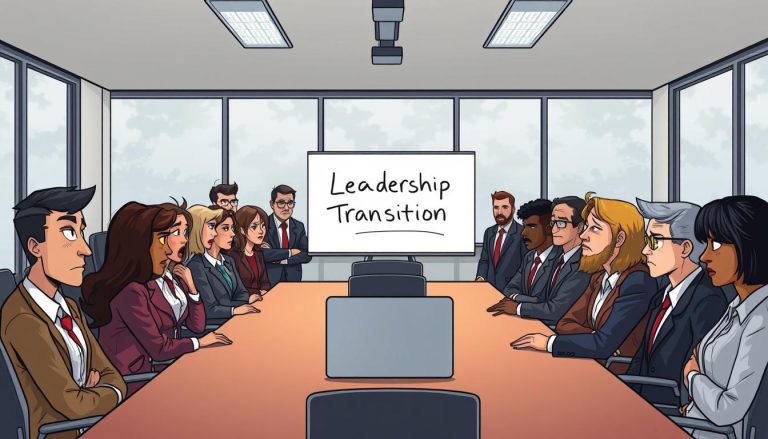
A founder’s unexpected absence can leave employees unsure who can approve a decision and customers unsure who will respond. If one person holds key information, relationships, and decision power, daily work can stall. Key-person risk is the disruption that can occur when essential knowledge, relationships, or decision authority depend on one person.
That gap can affect employees who need direction, customers who expect service, and suppliers waiting for answers. A leadership change can also strain cash flow when routine approvals stop or important choices wait. Preparation supports company continuity, but no plan can promise a handoff without disruption.
Business succession planning gives owners a way to prepare before pressure limits their choices. It can help people understand where decisions belong and what must keep running. A practical process starts by identifying the roles and situations that could interrupt operations.
How Does Business Succession Planning Protect Company Continuity?
A continuity-focused plan names the work that must keep moving before it names a permanent replacement. It identifies essential decisions, relationships, approvals, and functions that need backup coverage. That map helps reduce key-person risk and limits a leadership gap when the current leader leaves.
For example, a company can list who approves payroll, handles a major customer complaint, or releases a supplier payment. It can also name a backup for production, sales, and financial reporting. An emergency succession plan should clarify which person can act, what decisions they can make, and when that authority ends.
Set continuity priorities before a departure
Critical work differs by company, so owners should focus on tasks that could stop service or create costly delays. A distributor may need a backup for purchase approvals, while a service firm may need someone who can assign urgent jobs. The list should name the decision, its backup, and any limit on that backup’s authority.
Customer and supplier relationships also need clear coverage. The backup should know which calls require the current leader’s attention and which can be handled directly. Financial approvals deserve the same care, since unclear limits can delay payroll, invoices, or needed purchases.
Prepare for both planned and unexpected vacancies
A known departure allows time to set a schedule, share duties, and hand over recurring decisions. An unexpected vacancy calls for interim leadership, which means temporary coverage while a permanent leader is not in place. The emergency plan should explain who starts that coverage and how the company keeps essential decisions moving.
A common mistake is naming a successor without stating what authority that person can use. The person may hold the title but still lack approval power, access to key records, or permission to speak for the company. After defining what must continue, move to the people who could take on the leadership role.
Who Can Become the Next Leader?
A company’s next leader may come from the family, the current team, or outside the business. The best choice depends on leadership ability, judgment, values, and readiness, not family ties or seniority alone. Familiarity helps, but it does not prove that a person can lead through pressure or change.
Each path brings a different mix of strengths and risks. A family successor may know the owner’s goals and the company’s history. An internal successor may already understand daily work, while an external leader may bring skills the company lacks.
| Candidate type | Continuity advantage | Main risk | What to assess |
|---|---|---|---|
| Family member | Knows family values and business history | Family ties may cloud fair review | Judgment, trust, and ability to lead staff |
| Existing employee or manager | Knows customers, systems, and team skills | May lack broad leadership experience | Decision quality, influence, and readiness |
| External hire | Can bring needed skills and a fresh view | Needs time to learn company context | Values fit, learning ability, and credibility |
A family successor can be a strong choice when the person has earned trust and can make hard decisions. Yet a relative may not want the role or may lack the needed skills. Treating family ties as proof of suitability can harm both the company and family relationships.
An internal successor may bring steady service because employees and customers already know the person. The candidate may still need practice with company-wide choices, staff issues, or financial tradeoffs. Seniority alone does not show whether a manager can set direction across the business.
An external leader may fit when the company needs experience that current staff cannot offer. The company should assess how the person listens, learns its work, and earns confidence from long-serving employees. A strong résumé does not replace sound judgment or shared values.
Successor selection should compare each person with the role’s actual demands. Owners can weigh how candidates handle conflict, explain choices, and stay steady when facts are incomplete. The company should also consider whether each person wants the role and can take it on within the needed time.
If no permanent candidate is ready, an owner may name an interim leader for temporary coverage. That person can keep decisions moving while the company builds readiness or searches for an external leader. Once a likely candidate has been identified, the next task is to prepare that person for the actual demands of the role.
How Should a Successor Be Prepared?
A promising candidate becomes more prepared by taking on decisions that resemble the work of the future role. Preparation should add real responsibility over time, with clear limits, feedback, and support. A title without authority or information cannot build readiness.
Leadership development works best when the candidate handles real work and reviews the outcome with the current leader. Early tasks can carry low risk, while later tasks can involve staff, budgets, or customers. Supervised decision-making lets the candidate act while the current leader steps in when needed.
Build experience through real operating responsibility
Training in daily operations helps a successor understand how work gets done, where delays begin, and which choices affect results. Cross-training can prepare more than one employee to cover core tasks. It also shows where a process depends too heavily on one person.
Useful assignments should test different parts of the role, not repeat the same task. The current leader can set a goal, define decision limits, and review what happened. Five options can build practical experience:
- Lead a cross-functional project with a clear goal and deadline.
- Manage a budget and explain spending choices.
- Chair an operating review and track assigned actions.
- Handle a key customer or supplier relationship.
- Serve as decision-maker during a defined absence.
Transfer knowledge and important relationships
Knowledge transfer covers context that a manual may not capture. The current leader can explain why a key customer prefers a certain process or how a supplier handles urgent orders. The successor should also learn which employee skills matter for specialized work.
Recurring decisions need context, too. The current leader can discuss past choices, common warning signs, and the costs of waiting too long. The successor can then use that knowledge while building independent judgment, rather than copying old choices without understanding them.
Relationship handoffs work best when the successor joins calls and meetings before leading them alone. Customers, suppliers, and employees can see how the person listens and follows through. After leadership readiness is being developed, the company can address the separate question of how ownership and formal authority will change.
Which Ownership and Legal Details Need Attention?
A leadership handoff does not automatically settle who owns the company or how an ownership interest can be transferred. Management authority and ownership can pass to different people or change at different times. The company should review both paths before control changes.
A manager can run operations without owning shares or membership interests. An owner may also keep an interest after another person takes over daily leadership. An interim leader can take operational responsibility without becoming an owner.
Map ownership, valuation, and funding
A buy-sell agreement can set transfer triggers, permitted buyers, a valuation method, and funding terms. Triggers may address events such as an owner’s death or decision to leave. The agreement should also state who can buy an interest and how the price will be set.
Funding matters because a transfer may create a large payment need. Owners should review how the buyer or company would fund a purchase and whether the plan fits cash flow. Governing documents should not conflict about voting rights, transfers, or approval steps.
Coordinate documents with professional advice
U.S. ownership-transfer documents and tax consequences can vary with business entity type and state law. A company should coordinate its records and agreements with qualified legal and tax professionals. A five-part review can help identify gaps:
- Entity and ownership records, including current ownership percentages.
- Buy-sell agreement terms, triggers, and permitted buyers.
- Valuation method and funding arrangements for a transfer.
- Estate documents that address ownership interests.
- Tax and state-law review with qualified legal and tax professionals.
Estate planning and tax planning should align with the business agreements and the owner’s goals. A change in one document can affect another, so advisers should review related records together. With roles, readiness, and ownership matters addressed, the company can prepare the people affected by the handoff and track how it unfolds.
How Can the Transition Stay on Track?
Even a well-prepared successor needs a clear handoff of authority, information, and stakeholder relationships. A transition communication plan should name who speaks, what they share, and when each update happens. Employees, customers, and suppliers need a clear contact for questions.
Key stakeholders should know who will answer them before the company announces a change. An early announcement without that detail can spread confusion or send questions to the wrong person. Transition milestones give leaders a way to check whether duties and communication are moving as planned.
| Checkpoint | Who leads | Action | Signal to check |
|---|---|---|---|
| Before the handoff | Current leader | Brief employees, customers, and suppliers on contacts | Key groups know who handles questions |
| At the handoff | Current leader and successor | State decision authority and share open work | Staff route approvals to the right person |
| Early transition | Successor and leadership team | Review progress and activate interim leadership if needed | Milestones are met or backup coverage starts |
Stakeholder communication should match each group’s needs. Employees may need to know who sets priorities, while customers need a reliable contact for service issues. Suppliers may need updated approval details before they process orders or invoices.
Leadership should review progress at planned checkpoints and note delays, missed decisions, or unanswered questions. If the successor cannot take over as planned, the company should activate interim leadership and tell affected people who now has authority. Clear responsibility and workable backup keep the transition grounded in the company’s needs.
Conclusion
A smoother leadership change begins with clear responsibility before a vacancy occurs. Preparation works best when decision authority matches each person’s duties and backup coverage is ready for a sudden absence. Those basics help the company keep serving people while leaders adjust their roles.
The owner’s first step is to schedule a meeting with relevant leaders and advisers. The group can identify critical roles, name the largest coverage gaps, and assign the first planning tasks. Putting that meeting on the calendar and naming who will lead the planning work turns intent into action.