
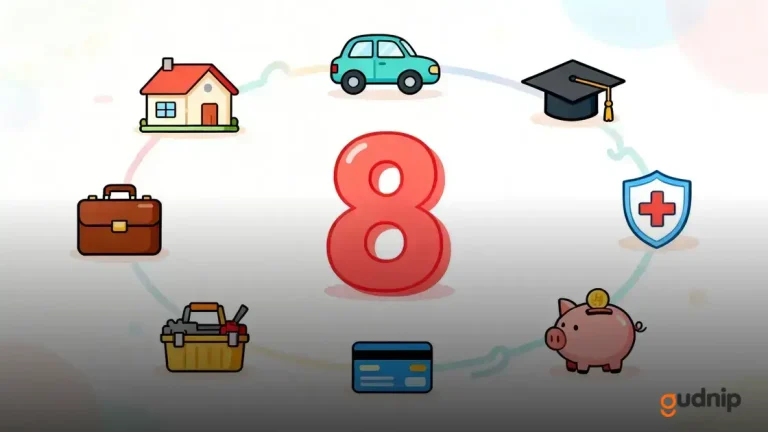
Choosing the right loan can be confusing. Best loan types explained offer clear insights to help you decide. Each loan type has unique features that may suit different needs.
Understanding these distinctions is crucial when seeking financial assistance. It can save you time, money, and stress. Don’t let the complexity of loans overwhelm you.
Keep reading to discover how to identify the best loan fit for your situation!
Understanding Personal Loans
Understanding personal loans is vital when considering your financing options. A personal loan is a type of unsecured loan that you can use for various purposes, such as debt consolidation, home improvements, or emergencies. Unlike secured loans, personal loans do not require collateral, making them easier to obtain for many people.
These loans vary in terms of amounts, interest rates, and repayment periods. Generally, you can borrow anywhere from a few hundred to tens of thousands of dollars, with interest rates depending on your credit score. This means that having a good credit score can help you secure a better rate and more favorable terms.
To apply for a personal loan, you usually need to provide some basic information, like your income, employment status, and credit history. Lenders will assess your ability to repay the loan before approving your application. Always remember to compare different lenders to find the best rates and terms that suit your financial situation.
Exploring Mortgage Options
Exploring mortgage options is an important step for anyone looking to buy a home. A mortgage is a loan specifically for purchasing real estate. There are several types of mortgages available, each with unique features, so it’s crucial to know what fits best with your financial situation.
Fixed-rate mortgages are popular because they offer stability. With this type of mortgage, your interest rate stays the same for the entire loan term, which can be 15, 20, or 30 years. On the other hand, adjustable-rate mortgages (ARMs) have interest rates that may change over time. While ARMs often start with lower rates, they can increase, making budgeting a little trickier.
Another option to consider is a government-backed mortgage, like FHA or VA loans. These often come with benefits like lower down payments or better interest rates for eligible buyers. No matter what option you choose, it’s essential to compare terms and understand the total cost to find the best mortgage for your needs.
Unpacking Auto Loans
Unpacking auto loans is essential for anyone looking to finance a vehicle. An auto loan is a type of loan you use to buy a car, and the car itself serves as collateral. This means that if you fail to make payments, the lender can take the car back. Understanding how these loans work will help you choose the best option for your needs.
Auto loans typically come with different terms and interest rates. You can often choose between short-term loans, which last around three to five years, and longer ones, which can last up to seven years. Shorter terms usually mean higher monthly payments but less interest paid over time, while longer terms can make monthly payments more manageable but can lead to paying more in interest.
Before applying for an auto loan, it’s wise to check your credit score. Lenders use this score to determine if you qualify and what interest rate you’ll receive. Comparing offers from different lenders can help you find the best rate and terms, so you can drive away in your new car without overspending.
The Nuances of Student Loans
The nuances of student loans can be complex, but understanding them can help you make better financial choices. Student loans are designed to help cover educational expenses, and there are two main types: federal and private loans. Federal loans usually come with lower interest rates and flexible repayment options, making them a popular choice for many students.
Federal student loans often offer key benefits, such as income-driven repayment plans and forgiveness programs. These features can provide much-needed support as you start to pay back your loans after graduation. In contrast, private loans might have stricter terms and conditions. They often require a good credit score or a co-signer, which can make it harder for some students to qualify.
When considering student loans, it’s essential to compare all your options. Look closely at interest rates, repayment terms, and any additional fees. By doing thorough research, you can avoid borrowing more than you need and find a loan that fits your financial situation best.
What is a Credit Union Loan?

A credit union loan is a type of loan offered by credit unions, which are member-owned financial institutions. Unlike banks, credit unions focus on serving their members rather than making profits. This often means that credit unions can provide lower interest rates and fees compared to traditional banks, making their loans a great option for many borrowers.
Credit union loans can come in various forms, including personal loans, auto loans, and home equity loans. Since credit unions are nonprofit organizations, they tend to have better customer service and more personalized lending experiences. Members often enjoy an easier application process and flexible repayment options tailored to their needs.
To qualify for a credit union loan, you typically need to be a member of the credit union. Membership can often be based on factors like where you live, where you work, or your affiliation with certain organizations. By choosing a credit union loan, you may find a supportive environment that prioritizes your financial well-being.
Benefits of Peer-to-Peer Lending
Peer-to-peer lending is a growing way for people to borrow money directly from other individuals. One of the main benefits of this type of lending is the potential for lower interest rates. Because there are no banks involved, borrowers can often save money on fees and achieve better rates based on their creditworthiness.
Another big advantage is the quick and easy application process. With online platforms connecting borrowers and lenders, you may receive funds faster than with traditional banks. This is especially helpful for those needing quick cash for emergencies or unexpected expenses.
Peer-to-peer lending also allows lenders to diversify their investments by funding small portions of many different loans. This can lead to better returns for investors. At the same time, borrowers gain access to funds that might not be available to them through conventional lending options. It’s a win-win for both parties!
Choosing a Home Equity Loan
Choosing a home equity loan can be a smart financial decision for homeowners. This type of loan allows you to borrow against the equity you have built in your home. The amount you can borrow is usually based on your home’s current value minus what you still owe on the mortgage. This can provide you with a significant amount of money for home improvements, debt consolidation, or other expenses.
When looking for a home equity loan, it’s important to compare interest rates, terms, and fees from different lenders. Many credit unions and banks offer these loans, and rates can vary widely. You should also check if there are prepayment penalties, which are fees for paying off your loan early. Understanding these details can help you choose the best loan for your situation.
Another factor to consider is your credit score. A higher credit score can help you secure a better interest rate, which can save you money over time. Additionally, think about how much you need to borrow and just how long you want to repay the loan. Taking the time to weigh these options can lead to better financial decisions and long-term peace of mind.
Short-Term vs Long-Term Loans
Short-term and long-term loans serve different financial needs and goals. Short-term loans typically have repayment periods of a few months to a couple of years. They often come with higher interest rates but can provide quick cash for unexpected expenses, like car repairs or medical bills. This type of loan is ideal when you need immediate funds and want to pay them back quickly.
On the other hand, long-term loans usually span several years, often from three to 30 years. These loans generally have lower monthly payments because the repayment period is extended. Long-term loans, such as mortgages or student loans, are better suited for larger purchases, allowing you to borrow more money and spread out the cost over time. However, keep in mind that you may pay more interest in the long run.
When choosing between short-term and long-term loans, consider your financial situation, needs, and ability to repay. If you can afford higher payments and need quick cash, a short-term loan may be a good fit. But if you need to finance a larger expense over a longer period, a long-term loan might be the better option for you.
The Future of Loan Types
The future of loan types is changing rapidly due to technology and new financial trends. As more people rely on digital platforms for banking, online loans are becoming even more accessible. Peer-to-peer lending and crowdfunding options allow individuals to borrow money directly from others, bypassing traditional banks. This shift offers more choices and potentially lower rates for borrowers.
Additionally, we may see personalized loan options that cater to individual financial situations. With improved data analytics, lenders can better understand borrowers, leading to tailor-made loan solutions that fit unique needs. This could mean more flexible repayment plans, targeted interest rates, or even specialized loans for specific purposes like education or green energy projects.
Moreover, as consumers become more financially aware, there is a growing demand for transparent lending practices. Borrowers will expect clearer terms and conditions, as well as better customer service. This focus on transparency could lead to a shift towards credit unions and community banks, where borrowers feel more valued and understood. Overall, the future of loan types looks promising, with innovations that aim to benefit both lenders and borrowers.